
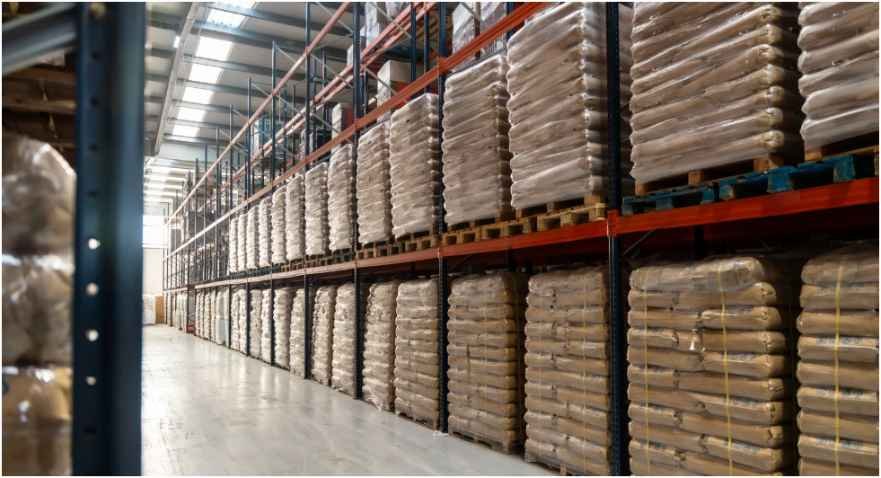
Starting a wholesale clothing business can feel like stepping into a world full of possibilities. You’ve got big ideas, a solid product vision, and a passion for fashion. But before you place that first bulk order, you need to weigh the benefits and challenges that come with stocking wholesale clothing.
After running my own wholesale clothing business, I’ve learned the ins and outs of managing inventory, controlling costs, and maximizing profits. Let’s break down everything you need to know—both the perks and the pitfalls.
Why Stocking Wholesale Clothing Could Be Your Golden Ticket?
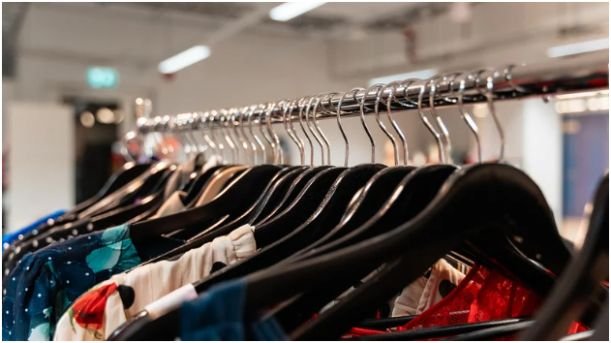
When I first considered stocking wholesale clothing, I had one thing on my mind: control. I wanted full control over the products I sold, the speed of fulfillment, and the quality of my brand.
And honestly, that’s one of the main draws. When you stock wholesale clothing, you get the ability to control your stock directly. You don’t have to rely on dropshippers, and there’s no waiting for items to arrive from a third party.
1. Higher Profit Margins
One of the immediate advantages I noticed was the potential for higher profit margins. Purchasing in bulk means you get a much lower per-unit price compared to retail stores. This gives you the ability to mark up your products for a higher profit.
And, who doesn’t love making a bigger profit from the same item? By skipping the middleman, you’re cutting out the extra costs and getting more value for your money.
2. Faster Fulfillment
Quick shipping was another reason I jumped into wholesale. I wanted to offer my customers a faster, more reliable shopping experience. With wholesale clothing, your inventory is already in-house, ready to ship.
I was able to offer same-day or next-day shipping, which drastically improved my customer satisfaction and repeat business. Plus, faster fulfillment is a huge competitive edge.
What Are the Drawbacks of Stocking Wholesale Clothing?
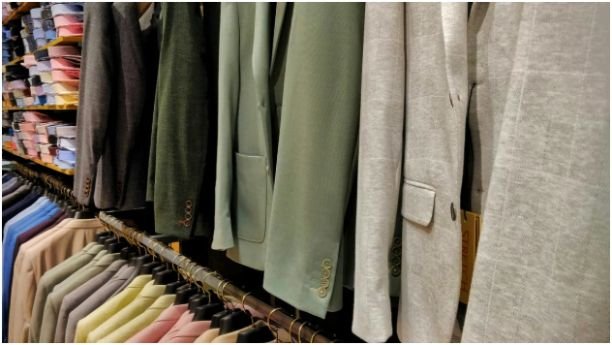
While the benefits are appealing, stocking wholesale clothing isn’t all rainbows and butterflies. There are some serious considerations to keep in mind, and I learned the hard way that planning is key.
1. High Upfront Costs
When I first placed my bulk order, the cost was staggering. Most wholesalers require you to purchase large quantities of stock upfront, and this ties up a significant amount of capital.
The bulk order may seem worth it in the long run, but there were times when I found myself staring at a lot of stock and wondering if I had ordered too much. The upfront costs can be tough to swallow, especially if you’re just starting.
2. Inventory Risk
I quickly realized that unsold inventory is every retailer’s nightmare. Fashion trends shift fast, and if you’re stuck with styles that no longer sell, you’re left with dead stock.
This is a real risk, and it’s one I had to manage carefully. As trends change, I found myself needing to move items quickly, often at a steep discount. This can significantly impact your profit margins.
How Do You Calculate the Ideal Order Quantity for Wholesale?

You’ve heard it—wholesale orders require strategic thinking. Luckily, there’s a formula that helped me avoid overordering and underselling: the Economic Order Quantity (EOQ) formula. It’s a simple yet effective way to calculate the ideal order quantity based on demand, order cost, and holding cost.
Step-by-Step Process to Calculate EOQ
- Determine Your Annual Demand (D): This is how many units you expect to sell in a year. You can base this on past sales data or forecasts.
- Calculate the Order Cost (S): This is the cost you incur every time you place an order, including shipping, processing, and handling.
- Understand the Holding Cost (H): These are the costs involved in storing each unit, such as warehouse rent and insurance.
By plugging these numbers into the EOQ formula, I was able to determine exactly how much inventory I should stock at any given time, minimizing storage costs while maximizing sales opportunities.
How Do You Factor in Size Ratios for Wholesale Clothing?
Stocking wholesale clothing means more than just buying “a bunch” of shirts. You’ll need to ensure that you order the right sizes to meet customer demand. After all, you don’t want to get stuck with a mountain of size XS while everyone’s buying XL.
The Size Ratio Breakdown
Let’s say you use a size ratio like 1:2:2:1 (S-M-L-XL). This means that for every small size, you’ll order two medium sizes, two large sizes, and one extra-large size. Here’s how you can break it down:
- Add the ratio numbers together (1+2+2+1 = 6).
- Divide your total order quantity by this sum.
- Multiply the result by each size’s ratio number to get the specific count for each size.
For example, if your ideal order quantity (EOQ) is 28 units, using the ratio 1:2:2:1 would give you:
- 5 smalls
- 9 mediums
- 9 larges
- 5 extra-larges
This ensures you have the right mix of sizes, which keeps customers happy and reduces the risk of overstocking on one size.
Frequently Asked Questions
1. How do I handle the storage costs for wholesale clothing?
Storage costs can be a significant part of your overhead, especially if you’re managing bulk inventory. To manage this, I recommend keeping a close eye on your warehouse space and considering the seasonality of your products. During off-peak seasons, try to minimize stock levels to save space and costs. Additionally, exploring affordable warehouse options or working with a third-party logistics provider can help keep costs in check.
2. How do I avoid overstocking and underselling?
The key is regular stock reviews and adapting to changing demand. Use your EOQ formula and adjust your order quantities based on market trends, historical sales data, and forecasts. I found that keeping an eye on current sales and analyzing customer feedback helped me make more informed ordering decisions, which prevented overstocking.
3. What happens if I don’t sell all my wholesale inventory?
You’ll have to manage your inventory carefully. If items aren’t selling, you might have to offer discounts, run promotions, or find ways to repurpose your stock. Regularly running sales or even bundling products together can help move unsold inventory, but be cautious of how much of a markdown you’re willing to take.
The Final Verdict: Should You Stock Wholesale Clothing?
Let me tell you, stocking wholesale clothing is a lot like cooking a gourmet meal. It requires the right ingredients, timing, and precision.
The pros—higher profit margins, faster fulfillment, and complete control over your stock—are certainly attractive, but the cons, like high upfront costs and the risk of dead stock, are real.
Here’s my tip: Start small, test the market, and scale as you learn. Use the hybrid model of dropshipping to test out styles and demand before committing to larger wholesale orders. This will help you learn what works and refine your strategy as you grow.
Key Takeaways:
- Weigh the pros and cons carefully before diving in.
- Use EOQ to find the right order quantities.
- Pay attention to size ratios to meet customer demand.
- Manage inventory to avoid high storage costs and unsold stock.
- Start small and scale as you go to minimize risks.
Good luck with your wholesale journey, and remember: the right balance of strategy, planning, and market understanding will set you up for success!