Autonomous driving laws are rapidly evolving, and every driver in the United States needs to understand the regulatory landscape shaping when and how self‑driving vehicles will operate on public roads.
Autonomous vehicles (AVs) are no longer a far‑off concept — they are being tested, deployed in limited areas, and discussed in Congress — yet the legal framework governing their use remains complex. This article breaks down the most important laws, rules, and practical considerations drivers need to know today.
What Are Autonomous Vehicles and Why Laws Matter
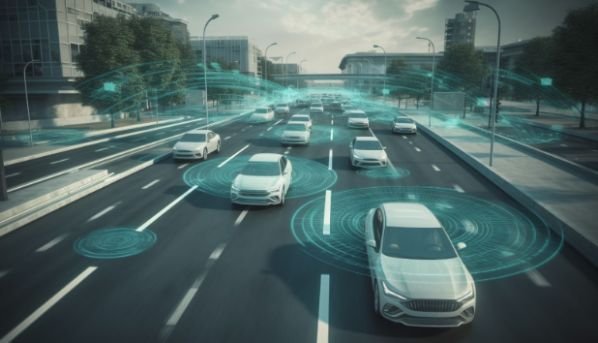
An autonomous vehicle is a car equipped with technology that allows it to operate with varying degrees of human involvement, from driver‑assistance features to full self‑driving capability.
The Society of Automotive Engineers (SAE) classifies automation into levels from 0 (no automation) to 5 (full automation). These levels help lawmakers and regulators craft appropriate laws based on the technology’s capabilities.
Understanding autonomous driving laws matters because these vehicles operate differently than human‑driven cars. They rely on sensors, software, and artificial intelligence to make real‑time decisions on public roads. Without clear legal mistakes guidance, liability, safety, insurance requirements, and deployment strategies remain uncertain.
Federal vs. State Law: The Current Regulatory Patchwork
Federal Guidelines and Agencies
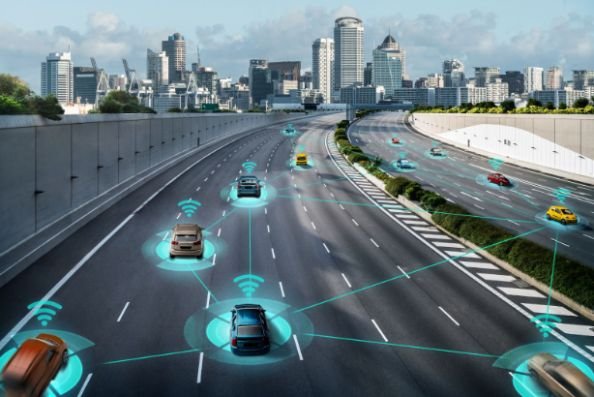
At the federal level, there is no single national autonomous driving law that governs all aspects of self‑driving cars. Instead, federal agencies provide guidelines and safety frameworks to support industry innovation and public safety.
- The National Highway Traffic Safety Administration (NHTSA) issues voluntary guidance for automated driving systems and develops safety strategies for new technology.
- The u.s. Department of Transportation (USDOT) advocates for comprehensive frameworks to integrate autonomous vehicles into the broader transportation system.
- Recent federal proposals, including the SELF DRIVE Act, aim to create a more structured federal law that would define automated driving terms, require safety cases from manufacturers, and establish data reporting requirements.
Currently, federal law allows manufacturers to request exemptions to certain safety standards to test or deploy AVs, which could help bring testing vehicles to public roads while safety regulations catch up.
State Laws and Local Rules
In the absence of a comprehensive federal statute, individual states have taken the lead in setting autonomous driving laws. This has produced a patchwork of varying rules:
- States like California and Nevada have detailed statutes permitting testing and limited deployment of autonomous vehicles.
- Some states, such as Florida and Colorado, explicitly allow self‑driving cars if they meet state requirements.
- Other states have introduced advisory councils or executive orders to support AV research and planning, even without formal laws.
- In certain jurisdictions, fully driverless cars are still prohibited, requiring a human operator to be present.
Because regulations differ by state, drivers may face inconsistent rules depending on where they live or travel. For example, insurance requirements, licensing, and liability issues can vary widely.
Key Legal Issues Every Driver Should Know
Liability and Responsibility
One of the most contentious aspects of autonomous driving laws involves liability in the event of a crash. Traditional traffic laws assume a human driver is responsible for the vehicle’s actions. With self‑driving cars, responsibility may fall on:
- the vehicle owner
- the human operator (if present)
- the manufacturer of the autonomous system
States and courts are still grappling with how to allocate liability fairly when an automated system is involved in an accident.
Insurance Requirements
Because self‑driving vehicles change how risk is assessed, insurers and regulators are updating policies. Some states require specific insurance coverage for autonomous vehicles, while others still rely on existing auto insurance frameworks to apply. Drivers should verify their coverage and understand how autonomous features impact premiums and claims.
Data Reporting and Transparency
Several state and federal rules now require autonomous vehicle companies to submit detailed reports on crashes, system errors, and operational performance. California’s enhanced reporting rules, for instance, mandate comprehensive incident data to improve oversight and safety.
Human Oversight Requirements
Even as automation improves, many laws still require a human driver to be ready to take control at any time, especially with Level 2 or Level 3 automation systems. True Level 4 and Level 5 autonomy, where human involvement is minimal or unnecessary, remains limited by current laws and technology readiness.
Practical Tips for Drivers Today
- Know your state’s laws: Because rules vary widely, always check the specific autonomous vehicle laws where you live or plan to travel.
- Understand vehicle capabilities: Don’t overestimate what “autonomous” means. Most consumer vehicles today offer advanced driver‑assistance features, not full self‑driving capabilities.
- Stay alert: Even with automated features engaged, many systems require driver supervision and prompt response to alerts.
- Review insurance policies: Ask your insurer how autonomous driving features affect your coverage and liability.
Frequently Asked Questions (FAQs)
-
What is the difference between autonomous and automated driving?
Autonomous driving refers to vehicles operating with minimal to no human input, while automated driving can include driver‑assist features. Fully autonomous cars are at higher SAE automation levels (4–5), whereas automated systems include lower levels like lane keeping and adaptive cruise control.
-
Are autonomous vehicles legal to drive in the U.S.?
Yes, in many states autonomous vehicles can be tested or operated under certain conditions, but there is no single federal autonomous driving law that governs all aspects. State laws vary significantly.
-
Who is liable in a self‑driving car accident?
Liability can involve the human operator, vehicle owner, or manufacturer depending on state law and the specifics of the autonomous system’s role in the crash. Courts and regulators are still refining these rules.
-
Will autonomous cars replace human drivers?
While technology continues to improve, fully autonomous cars are not yet widely available for consumer purchase, and legal frameworks remain in development. Most drivers should expect a gradual rollout with human oversight required for some time.
Conclusion
Autonomous driving laws are evolving at both state and federal levels, and what drivers need to know now is that the legal landscape remains fragmented. Understanding where and how self‑driving vehicles are allowed, who is responsible in a crash, and how regulatory guidance may shift in the near future is essential.
As lawmakers work toward more uniform standards — potentially through new federal legislation — drivers should stay informed and cautious as this transformative technology continues to develop.