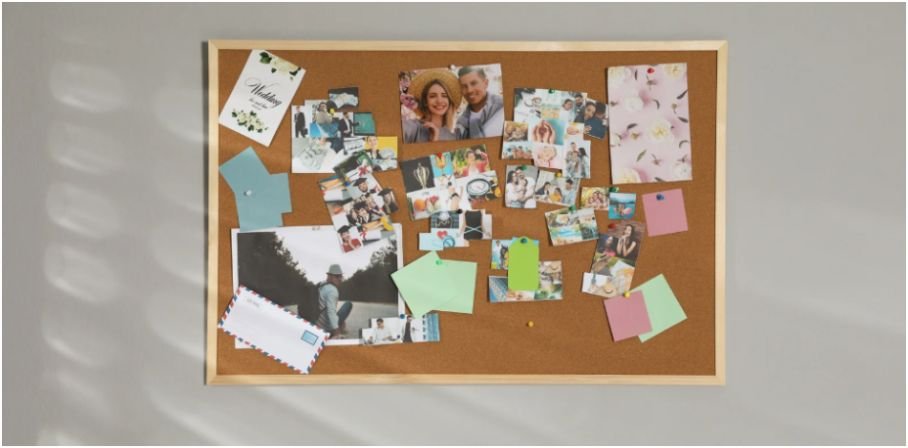
When I first heard about vision boards, I’ll be honest—I thought they were just another trendy way to keep people distracted from doing the real work. Cut out some pictures, stick them on a board, and voilà, you’ve got your dream life. Right? Wrong. It turns out, there’s a lot more to vision boards than just pasting pretty pictures of a “dream job” or “perfect house.”
So, I decided to dive deeper into how to create a vision board that works. It’s not just about the aesthetic—it’s about intentional action, emotional resonance, and aligning your day-to-day habits with your long-term goals. And guess what? It’s more powerful than I could have ever imagined.
Let’s break down exactly how to create a vision board that helps you turn your dreams into action, starting with setting up a clear, actionable plan.
Why Are Vision Boards So Powerful?
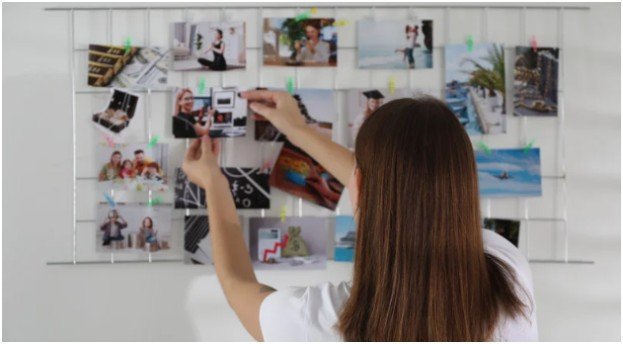
You’ve probably heard that creating a vision board helps you manifest your goals, but how does that actually work? It’s all about programming your brain to recognize opportunities that align with your desires.
Vision boards trigger your Reticular Activating System (RAS), the part of your brain that helps you focus on what’s important. By constantly reminding yourself of what you want, your brain starts spotting opportunities that you may have overlooked before.
But here’s the catch: if your vision board is filled with random images that don’t mean anything to you, it’s not going to work. It’s got to be intentional, personalized, and actionable.
How Do I Define My 2026 Goals for the Vision Board?
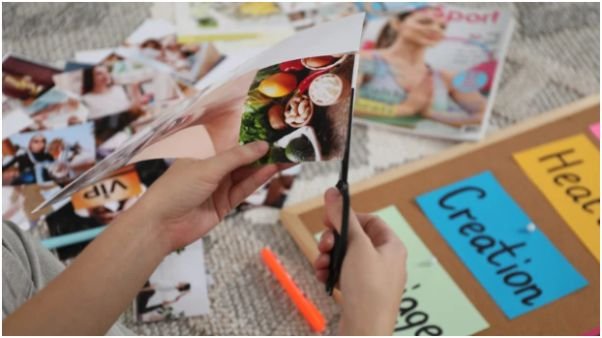
Creating a vision board that works requires starting with clarity. You can’t just slap any image on a board and call it a day. Here’s how I approached defining my 2026 goals to make my vision board truly effective:
Define Life Areas
Instead of a random collage, break your life into key categories. For me, I focused on career, health, finances, relationships, and personal growth. This allowed me to organize my board into clear sections that addressed all aspects of my life.
- Career: What kind of impact do I want to make by the end of 2026? For me, it’s about becoming a recognized leader in my industry and improve productivity of employees that work in my team. I placed images that reflected not only a “dream job” but the work required to get there.
- Health: It’s not just about looking good—it’s about feeling good. I included images of my ideal workout routine, the healthy meals I want to cook, and the active lifestyle I crave.
- Finances: This one is big. I focused on the kind of savings I want to have by the end of the year. Think: a target amount in my savings account or a snapshot of financial freedom.
Set a “Word of the Year”
This was a game changer. I picked “alignment” as my guiding word for the year. Every image I chose was filtered through this word. Does this fit with my values? Does it align with the life I want to create? This helped me keep the process grounded and intentional.
What Should I Put on My Vision Board?
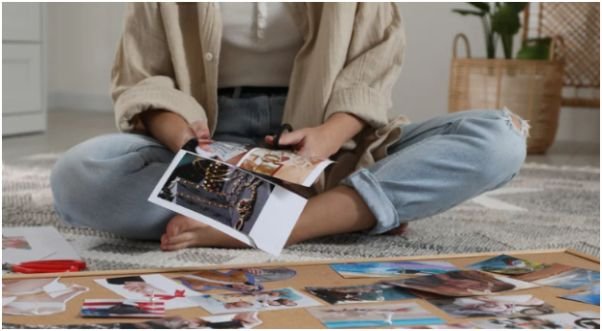
Now that we’ve set the foundation, it’s time to select the right images. Here’s where I’ve seen the most people go wrong—focusing only on outcomes, like the “perfect job” or “dream car.” Instead, think process over outcome.
Choose Process-Oriented Images
For example, if you want to be a published author by the end of 2026, don’t just put a picture of a book on the shelf. Instead, use images of your writing desk, the books you’re reading, the writing retreats you plan to attend, and the mornings you wake up at 5 AM to write before the day starts. This keeps you focused on the daily habits that get you there.
Personalize It
I used Canva to create images of myself in my desired scenarios. Imagine seeing your face on a magazine cover or speaking at a TED Talk. That visual familiarity makes your goals feel more reachable. The more personal you make it, the more your brain can relate to it.
Emotional Resonance Is Key
When you look at an image, does it spark a “yes” feeling in your body? If so, it’s right for your board. Don’t settle for pictures that are “nice” but leave you cold. This board is about connecting emotionally to your goals, not just looking pretty.
How Do I Bring My Vision Board to Life?
Now that the board is up, it’s time for execution. This is where most people fail—having a board but not taking action to back it up. It’s a reminder, not a magic wand. Here’s how I activated my vision board to drive real results:
Break Your Goals Into Quarterly Sprints
I didn’t just set a vague goal for the year; I broke it down into quarterly sprints. Every 90 days, I reevaluate my progress and adjust if necessary. For example, in Q1, I focus on skill development and networking. In Q2, I’ll focus more on executing my bigger projects. This keeps me on track without overwhelming me.
Pair Images with Action
Each image on my board is linked to a daily habit. If I want to be a healthier version of myself, my daily action is walking 5 days a week. If my career goal is to write a book, then my daily habit is to write for 30 minutes every morning. No action, no progress.
Keep the Board Visible
Visibility is key. I keep my vision board next to my desk so I see it every day. I also made it my phone wallpaper for constant reminders throughout the day. If I don’t see it, I forget about it. So, make it impossible to miss!
FAQ: Real Questions, Real Answers
1. What’s the Best Way to Make Sure My Vision Board Actually Works?
Start with clarity. Don’t just throw pretty pictures on your board—create clear categories for your goals and select images that reflect your process. And most importantly, pair those images with daily actions. Seeing the board every day will keep your goals at the forefront of your mind.
2. How Often Should I Update My Vision Board?
I recommend reviewing your vision board every 90 days. You’ll likely grow, learn, and adjust your goals as the year progresses. Refreshing your board ensures you’re on track and aligned with where you are now.
3. Can I Have Multiple Vision Boards?
Absolutely! I have one for my career, one for personal growth, and one for health. This allows me to focus deeply on each area without feeling overwhelmed by a single massive board.
Bringing It All Together: Ready, Set, Vision!
So here’s the deal—creating a vision board that works isn’t about sticking images on a poster board and hoping for the best. It’s about intentionality, action, and emotional connection. Your vision board is a tool, not a shortcut.
Key Takeaways:
- Focus on process, not just outcomes.
- Personalize your vision board with images that resonate emotionally.
- Pair your goals with daily actions to create real momentum.
- Keep your vision board visible and review it regularly.
The truth is, your dreams are only a series of daily actions away. So, start building that board, add the right images, take the right steps, and get ready for a 2026 that’s all about aligning your desires with your daily life.
Good luck! Keep dreaming, but most importantly—keep doing.