

Learning how to improve concentration while studying is one of the most common challenges students face today.
If you find yourself getting distracted, checking your phone repeatedly, rereading the same page without understanding it, or feeling mentally tired after a short study session, you are not alone. The good news is that concentration is not a fixed talent.
It is a trainable skill. In this complete guide, you will learn practical, science-backed strategies to improve concentration while studying, eliminate distractions, and build habits that make deep focus easier and more natural over time.
Key Takeaways
- Removing digital distractions like smartphones and social media dramatically improves focus and retention
- Active recall and self-testing are more effective than rereading notes.
- Sleep between 7–9 hours is essential for memory consolidation and sustained attention.
- Short, regular breaks improve long-term concentration better than long, uninterrupted study sessions.
- Healthy habits like exercise, hydration, and balanced nutrition directly support cognitive performance.
- Concentration is a skill that improves with consistent daily practice, not overnight effort.
Why You Struggle to Focus While Studying

Before improving focus, it is important to understand what disrupts it. The modern brain is constantly exposed to notifications, social media updates, multitasking demands, and digital entertainment. These triggers release dopamine, which trains the brain to seek quick rewards.
Studying, however, requires effective time management, sustained attention without instant gratification. Research from institutions such as the National Institutes of Health shows that frequent task switching reduces productivity and weakens working memory. The issue is rarely laziness.
More often, it is cognitive overload combined with poor environmental structure and lack of sleep.
The Science Behind Attention and Deep Focus
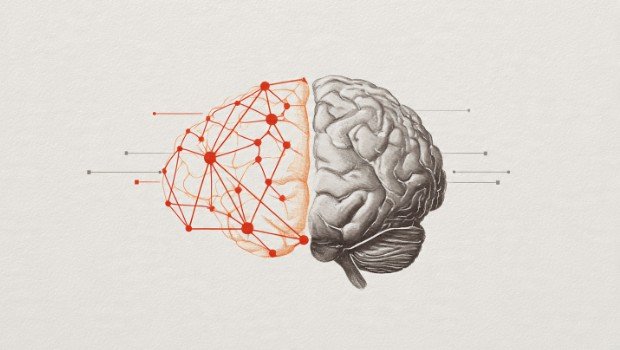
To understand how to improve concentration while studying, you need to understand how attention works. The brain operates through different networks. One network supports focused attention on a task, while another activates when the mind wanders.
Short mental breaks allow the brain to reset and consolidate information. That is why structured study intervals work better than long, unplanned sessions.
Most people can maintain high-quality focus for about 25 to 50 minutes before performance declines. Instead of forcing longer sessions, it is more effective to train focus gradually and deliberately.
Design a Study Environment That Supports Concentration
Your environment influences your focus more than motivation does. A dedicated study space trains your brain to associate that location with learning. Studying in bed or in noisy areas weakens this association and increases mental fatigue.
Keep your desk minimal and organized, with only the materials required for your current task. Remove unnecessary items that invite distraction. Digital distractions are especially harmful. Keeping your phone in another room, turning off notifications.
Logging out of social media accounts, and closing extra browser tabs significantly improves mental clarity. Even though multitasking feels productive, evidence discussed in platforms like Forbes consistently shows it reduces efficiency and increases errors.
Apply Structured Study Methods That Improve Focus

Structure reduces decision fatigue and strengthens concentration. One of the most effective systems is the Pomodoro method. In this method, you study for 25 minutes and then take a 5-minute break. After four sessions, you take a longer break of 15 to 20 minutes.
This rhythm prevents burnout and trains the brain to focus intensely for short, manageable intervals. Another powerful technique is active recall. Instead of rereading notes, close your book and write down everything you remember.
This strengthens memory loss and improves long-term retention. The Feynman Technique is also effective. When you explain a concept in simple language as if teaching a child, you expose gaps in understanding and deepen comprehension.
Strengthen Concentration Through Lifestyle Habits
You cannot improve concentration while studying without addressing physical health. Sleep plays a critical role in memory consolidation and attention. Adults and students typically need seven to nine hours of quality sleep each night.
Sleep deprivation reduces alertness, decision-making ability, and memory performance. Nutrition also affects brain function. Foods such as nuts, fruits, leafy greens, eggs, and moderate amounts of dark chocolate support cognitive performance.
Staying hydrated is equally important. Regular physical activity increases blood flow to the brain and enhances mental clarity. Even short walks during study breaks can significantly improve focus.
Manage Internal Distractions and Mental Overload
Sometimes distractions come from your own thoughts rather than your surroundings. Anxiety, unfinished tasks, or random ideas can interrupt study sessions. One useful strategy is scheduling specific “worry time” later in the day.
When distracting thoughts arise, write them down and tell yourself you will address them at that scheduled time. This reduces mental interference. Simple breathing exercises also help reset focus.
Inhaling for four seconds, holding for four seconds, and exhaling for six seconds calms the nervous system and improves attention control. Even a few cycles can make a noticeable difference in clarity.
Recognize Productive Studying
Many students question whether they are studying effectively. You are studying productively if you can recall information without looking at notes, explain concepts clearly, and complete planned tasks within your study session.
Productive studying is about understanding, not just time spent. Three focused hours are far more valuable than six distracted ones. Measuring progress through self testing rather than time tracking gives a more accurate picture of learning.
Avoid Common Focus Mistakes

Certain worst habits for your brain consistently damage concentration. Studying without a clear plan leads to aimless reading. Checking your phone “just once” often turns into multiple interruptions.
Cramming late at night reduces retention due to fatigue. Skipping breaks leads to mental burnout. Multitasking splits attention and lowers comprehension. Eliminating these five mistakes alone can dramatically improve your ability to focus.
Build Focus Gradually Through Practice
Concentration improves through deliberate practice. Start with shorter deep-focus sessions of 20 minutes and increase gradually. Track distractions by marking each time your mind wanders and immediately refocus.
Over time, the frequency of distractions decreases. Consistency matters more than intensity. Just like physical strength training, repetition creates mental mastery and gradual challenge.
Frequently Asked Questions
1. Why can’t I concentrate even when I try?
Difficulty concentrating often results from overstimulation, poor sleep, stress, or excessive multitasking. Reducing digital distractions and improving sleep habits usually lead to noticeable improvement within a few weeks.
2. How long can the brain concentrate effectively?
Most people can maintain deep focus for approximately 25 to 50 minutes before cognitive performance begins to decline. Structured breaks improve sustainability.
3. Does music help improve concentration while studying?
Instrumental or ambient music may support focus for some individuals, while lyrical music can compete with reading and comprehension tasks.
How to Improve Concentration While Studying
Understanding how to improve concentration while studying is about building systems rather than relying on motivation. When you design a focused environment, use structured learning methods, sleep properly, exercise regularly, and practice consistently, concentration becomes easier and more sustainable.
Focus is not a rare ability reserved for a few people. It is a skill that improves with daily application. If you implement even a few strategies from this guide, you are likely to notice measurable improvement in both focus and academic performance within a short period of time.