
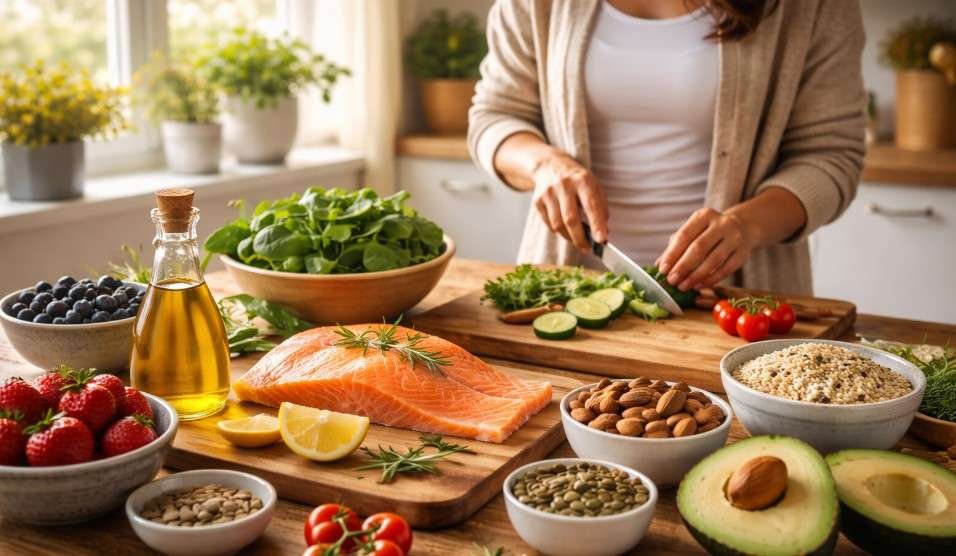
I have to confess something. I used to roll my eyes at the phrase “anti-inflammatory diet benefits.” It sounded like another wellness buzzword that would fade away in six months. But after dealing with constant fatigue and random aches that would not go away, I decided to actually try it instead of judging it.
Within weeks, I noticed steadier energy and fewer afternoon crashes. My sleep improved and my digestion felt calmer. That experience pushed me to dig deeper into the science behind anti-inflammatory diet benefits and what makes this eating pattern so powerful in today’s fast paced world.
What Are the Core Anti-Inflammatory Diets for Chronic Disease Prevention?
One of the most significant anti-inflammatory diet benefits is reducing the risk of chronic diseases. Long term inflammation is linked to heart disease, type 2 diabetes, Alzheimer’s disease, and certain cancers including colorectal, breast, and prostate cancer. When you shift your eating habits toward whole foods, you reduce the burden of inflammatory triggers in your body.
Research from major health institutions consistently highlights that patterns similar to the Mediterranean and DASH diets help maintain blood pressure and metabolic balance. By focusing on fruits, vegetables, fatty fish, whole grains, and healthy fats, you move your body from a pro-inflammatory state toward repair and resilience.
Can Anti-Inflammatory Diet Help Manage Existing Conditions?
If you are already living with a chronic condition, anti-inflammatory diet benefits can go beyond prevention. Many people with rheumatoid arthritis, psoriasis, asthma, and inflammatory bowel conditions report reduced flare-ups when they consistently follow this approach.
Lowering inflammation may slow disease progression and improve daily comfort. While food is not a replacement for medical treatment, it can be a powerful supportive tool. A steady pattern of nutrient-dense meals helps regulate immune responses and reduce inflammatory markers like C-reactive protein.
How Do Anti-Inflammatory Diet Benefits Support Weight and Metabolism?
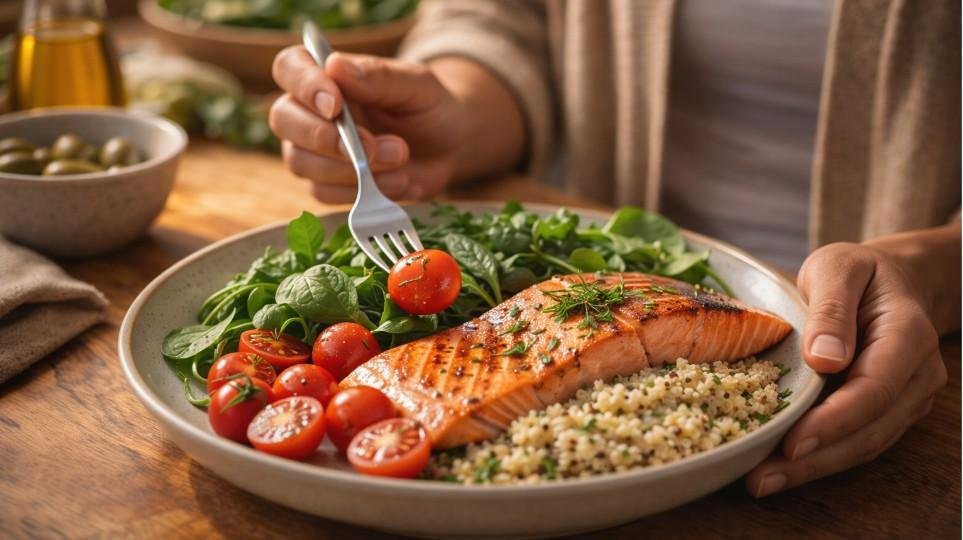
Weight management is another area where anti-inflammatory diet benefits shine. Foods rich in fiber and healthy fats increase satiety, which naturally reduces overeating. Instead of constant hunger spikes, you feel satisfied longer.
Stable blood sugar and improved insulin sensitivity are additional metabolic advantages. People who adopt this eating pattern often experience lower blood pressure, improved cholesterol levels, and steadier glucose readings. These changes make a measurable difference in long term metabolic health.
What Mental and Cognitive Benefits Can You Expect?
Chronic inflammation does not just affect the body. It can influence mood, focus, and cognitive clarity. One of the lesser discussed anti-inflammatory diet benefits is improved mental wellness.
Studies suggest that diets rich in antioxidants, omega-3 fatty acids, and polyphenols are associated with lower anxiety and better mood stability. Reducing inflammatory stress in the body may also help protect against neurodegenerative changes over time. Clearer thinking and better emotional balance often follow when your body feels less inflamed.
How Anti-Inflammatory Diet Benefits Improve Gut Health and Immunity?
Your gut microbiome plays a central role in immune function. A diverse and balanced gut environment strengthens your immune response and improves nutrient absorption. Anti-inflammatory diet benefits include supporting this internal ecosystem.
High fiber foods such as oats, barley, legumes, and vegetables feed beneficial bacteria. When your gut thrives, your immune system becomes more efficient and less reactive. This balanced response is essential in a world filled with environmental and dietary stressors.
Which Core Foods Unlock the Greatest Anti-Inflammatory Diet Benefits?
To experience real anti-inflammatory diet benefits, focus on specific food groups that consistently show positive effects. Fruits and vegetables such as berries, leafy greens, tomatoes, and cruciferous vegetables provide antioxidants and polyphenols that combat oxidative stress.
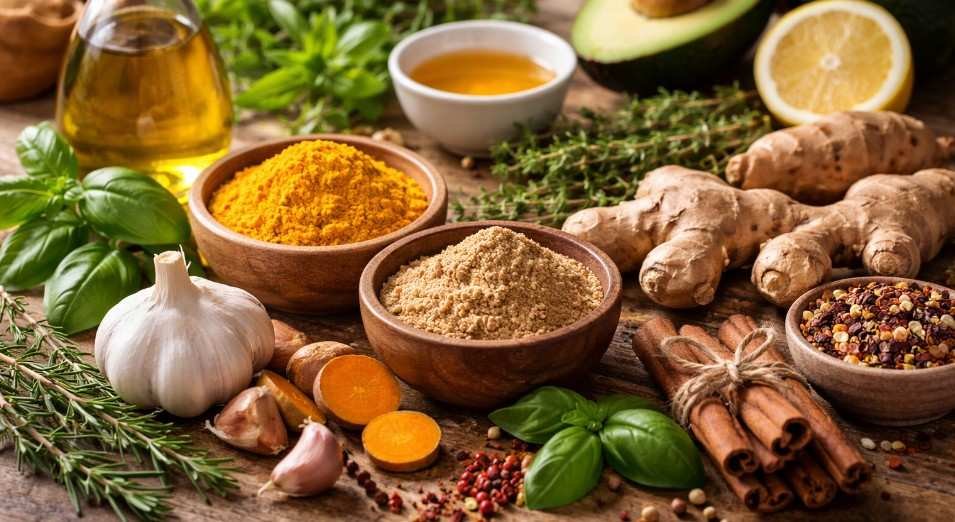
Healthy fats are equally important. Extra virgin olive oil, avocados, and omega-3 rich fish like salmon and sardines help regulate inflammatory pathways. Whole grains such as quinoa and oats provide fiber that stabilizes blood sugar and supports gut health. Herbs and spices including turmeric, ginger, garlic, and cinnamon contain bioactive compounds that further reduce inflammation.
How to Experience Anti-Inflammatory Diet Benefits Step by Step

If you want to unlock anti-inflammatory diet benefits, start by upgrading one meal at a time. Replace refined grains with whole grains and add at least one vegetable to every lunch and dinner. This simple adjustment increases fiber and antioxidants immediately.
Next, switch your primary cooking fat to extra virgin olive oil and include fatty fish at least twice a week. Gradually reduce processed snacks, sugary beverages, and refined sugars. Focus on consistency rather than perfection.
Finally, track how you feel. Notice changes in energy, digestion, sleep, and mood over a few weeks. Most people begin to feel subtle improvements within two to four weeks when they maintain steady habits.
Frequently Asked Questions
1. Are anti-inflammatory diet benefits supported by real science?
Yes, anti-inflammatory diet benefits are supported by growing scientific research. Major medical institutions highlight that eating patterns rich in whole foods, healthy fats, and plant-based nutrients reduce inflammatory markers and improve cardiovascular and metabolic health. These patterns align closely with the Mediterranean and DASH diets, which are among the most researched and recommended dietary approaches worldwide.
2. How quickly will I notice anti-inflammatory diet benefits?
Some people experience improved digestion and steadier energy within two weeks. More measurable changes like improved cholesterol or blood pressure may take a few months of consistent adherence. The key is maintaining balanced, whole-food meals over time rather than looking for instant results.
3. Do I need expensive superfoods to get anti-inflammatory diet benefits?
No, you do not need exotic or expensive ingredients. Affordable foods like oats, beans, frozen vegetables, seasonal fruits, canned sardines, and olive oil provide powerful anti-inflammatory support. Simplicity and consistency matter more than specialty products.
4. Can anti-inflammatory diet benefits reduce pain?
Yes, many people report reduced joint and muscle discomfort when they consistently follow this eating pattern. By lowering inflammatory markers and supporting tissue repair, the diet may decrease chronic pain and even reduce headache frequency in some individuals.
Why Anti-Inflammatory Diet Benefits Matter More Than Ever
In a world dominated by ultra processed foods and constant stress, anti-inflammatory diet benefits offer a practical path back to balance. By prioritizing whole, unprocessed foods, you give your body the tools it needs to repair and protect itself.
My personal takeaway is simple. Small, steady shifts create meaningful change. You do not need a drastic overhaul. Start with one meal, one swap, one week of consistency. Over time, anti-inflammatory diet benefits compound into better energy, clearer thinking, and stronger overall health. Your body is always working for you. Feed it accordingly.