

If you handle, store, recycle or transport car batteries, the first safety rule you must understand is the automotive batteries hazard class. Many people assume a battery is just a heavy metal box, but legally it is a regulated hazardous material.
A single wrong label can stop shipment, cause fines, or create a workplace injury. In this guide you will learn the exact hazard classification, why regulators assign it, what risks actually exist, and how compliance works in real situations including transport warehouses, auto shops and recycling yards.
Key Takeaways
- automotive batteries hazard class belongs primarily to Class 8 corrosive materials
- Lead acid battery is the main reason for regulation
- Shipping rules differ for damaged, dry and sealed batteries
- EV lithium batteries follow a completely different category
- Correct labeling prevents legal penalties and safety accidents
What Defines Automotive Batteries Hazard Class

Automotive batteries are traditional lead acid batteries filled with sulfuric acid electrolyte. Because the electrolyte destroys skin and metal surfaces, transport authorities classify them as corrosive substances.
The official UN classification used globally is UN2794 Batteries Wet Filled With Acid. The main hazard is chemical burn rather than explosion or fire under normal conditions. That means the regulation focuses more on leakage containment than ignition control.
However secondary risks still exist. When charging, hydrogen gas releases and becomes explosive in closed areas. Lead plates inside the battery are toxic to humans and the environment. Therefore although the primary category is corrosive, multiple safety disciplines apply including ventilation and environmental protection.
Why Authorities Use Corrosive Category Instead of Toxic Category
People often ask why the battery is not classified primarily as toxic when it contains lead. The reason is hazard classification follows immediate transport danger not long term health effect. During shipment the most likely accident is acid leakage damaging cargo or burning workers.
Lead poisoning is dangerous but requires prolonged exposure and therefore becomes a secondary classification. Regulatory logic always prioritizes the fastest possible harm during logistics handling.
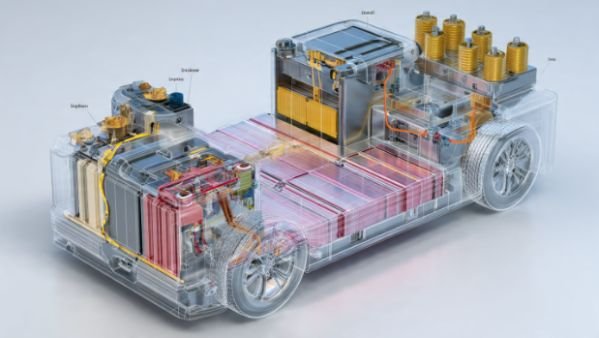
Components Inside a Vehicle Battery and Their Hazards
Sulfuric Acid Electrolyte
The liquid electrolyte causes chemical burns, fabric damage and corrosion of metal within seconds. This is the reason for Class 8 marking.
Lead Plates
Lead is a heavy metal contaminant harmful to soil and water. Waste disposal rules become strict because of this component.
Hydrogen Gas Emission
During charging electrolysis splits water releasing hydrogen. In confined spaces hydrogen may ignite if spark exists.
Plastic Case
The case itself is not hazardous but becomes dangerous when cracked because leakage begins.
Transport Labeling Requirements for Automotive Batteries Hazard Class

When shipping batteries by road or cargo, packaging and marking must follow hazardous material code. The package must display a corrosive label symbol showing liquid damaging hand and metal surface.
Orientation arrows are mandatory to ensure upright position. Transport documents must mention UN2794 and proper shipping name. Workers must wear gloves and eye protection while loading.
If batteries are stacked, separators must prevent terminal contact to avoid short circuits. Vehicles transporting large quantities require spill kits and neutralizing material such as sodium bicarbonate. Failure to follow these rules may lead to shipment rejection or legal penalties.
Storage Safety Rules Inside Workshops and Warehouses

Indoor storage must include ventilation because hydrogen accumulation is invisible but explosive. Batteries should be stored on acid resistant flooring. Never store near heat sources or sparks.
Charging areas should be separated from office space. Always keep baking soda solution available for spill neutralization.
Racks should prevent tipping and maintain vertical position. Workers must avoid placing metal tools across terminals because short circuits produce sparks and heat.
Handling Damaged or Leaking Batteries
A cracked battery is treated as higher risk than intact ones. Place it inside a leak proof container with absorbent material. Never attempt to tape the crack because acid will continue leaking. Use chemical resistant gloves while moving it.
Contaminated surfaces must be washed and neutralized immediately. Transport companies may require special declaration for damaged batteries even though the classification remains corrosive.
Environmental Disposal Regulations
Lead acid batteries are among the most recycled consumer products worldwide. Recycling is mandatory in many regions because lead contamination is severe if dumped in landfill. Recycling plants recover lead plates and neutralize acid into gypsum.
Retailers often accept old batteries when customers buy new ones because regulations promote closed loop recovery.
Comparison With Electric Vehicle Battery Classification

Electric vehicles use lithium ion batteries which belong to Class 9 miscellaneous dangerous goods instead of corrosive class. The main risk there is thermal runaway fire rather than acid burn.
That is why EV batteries require fire resistant packaging while traditional batteries require leak resistant packaging. Confusing these two categories leads to incorrect compliance procedures.
Common Compliance Mistakes Businesses Make
Many workshops transport batteries in pickup trucks without labeling because they think small quantities are exempt. In reality exemption applies only under strict limits and packaging conditions.
Another mistake is sealing batteries inside airtight rooms during charging which increases explosion risk. Some recyclers store cracked batteries together causing acid pooling and floor damage. Training workers in hazard awareness prevents these incidents.
Real World Incident Example
In a warehouse incident reported by safety authorities, a pallet of unsealed batteries tipped during loading. Acid leaked across the floor and corroded nearby metal containers. Workers attempted cleanup using water only which spread contamination further.
The correct method required neutralizing the agent first then rinsing. This case demonstrates why understanding automotive batteries hazard class is not theoretical but practical workplace safety knowledge.
Practical Compliance Checklist
- Identify batteries using UN2794 description
- Attach corrosive label and orientation arrows
- Store upright on resistant surface
- Ventilate of battery charging areas
- Keep neutralizing chemicals nearby
- Separate damaged units
- Send to authorized recycler
Following these simple steps dramatically reduces accidents and legal trouble.
Frequently Asked Questions:
1. Why are automotive batteries hazard class corrosive?
Because sulfuric acid electrolyte can burn skin and corrode metal instantly during transport accidents.
2. Can I ship a car battery without labeling?
No, most shipments require UN2794 marking and corrosive symbol unless very limited exemption conditions apply.
3. Are sealed maintenance free batteries still hazardous?
Yes, they still contain acid and fall under the same classification.
4. Do electric vehicle batteries use the same hazard class?
No, lithium batteries fall under Class 9 miscellaneous dangerous goods instead of corrosive.
5. What happens if a battery leaks during storage?
Neutralize acid using alkaline material then dispose through authorized recycler.
Conclusion
Understanding the automotive batteries hazard class helps businesses avoid fines, injuries and environmental damage. The battery is classified mainly as corrosive because sulfuric acid poses immediate transport danger while lead toxicity remains secondary risk.
Proper labeling, ventilation and spill management are the foundation of safe handling. As vehicle technology evolves, lithium batteries require different rules, so identifying battery type before storage or shipment is essential.
When workers treat batteries as regulated chemicals instead of ordinary metal objects, safety compliance becomes simple and predictable.