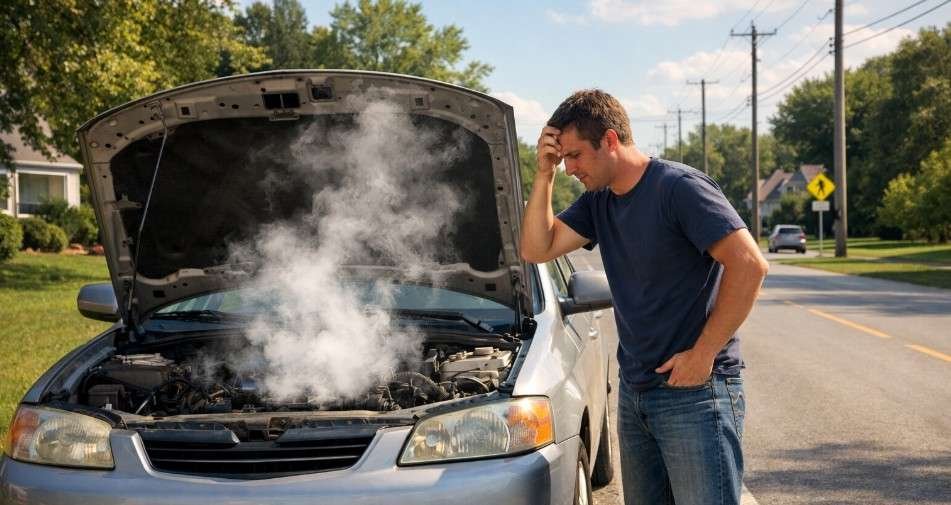
I still remember the first time my temperature gauge shot up into the red. I was sitting in traffic on a hot afternoon, music playing, completely relaxed. Then I noticed steam creeping out from under the hood. My stomach dropped. That moment pushed me to learn everything I could about the common causes of engine overheating, because I never wanted to feel that helpless again.
If you’ve ever dealt with an overheating engine, you know how fast panic sets in. The good news is this: most overheating problems start small. When you understand the common causes of engine overheating, you can usually catch them early and avoid expensive repairs.
Most Common Causes of Engine Overheating
At its core, engine overheating happens when heat cannot escape properly. Your engine creates intense heat every time it runs. The cooling system exists to manage that heat. When any part of that system fails, temperatures climb.
The common causes of engine overheating almost always involve the cooling system. Leaks, low coolant, thermostat failure, radiator issues, or water pump problems are usually to blame. Sometimes it’s one issue. Other times, it’s a combination of small neglected problems. Understanding these root causes helps you move from reacting to preventing.
Are Cooling System Leaks the #1 Cause?
Yes, and by a wide margin. Cooling system leaks are one of the most common causes of engine overheating, and they are often subtle at first.
Rubber hoses crack over time. Radiators corrode internally. Water pump seals wear out. Even a small pinhole leak can slowly reduce coolant levels. Once coolant drops below optimal levels, the engine cannot dissipate heat properly.
A blown head gasket is a more serious leak scenario. When this happens, coolant may mix with engine oil or leak into the combustion chamber. That leads to rapid temperature spikes. If you ever see white smoke from your exhaust or milky oil, take it seriously.
How Low Coolant Levels Lead to Overheating?
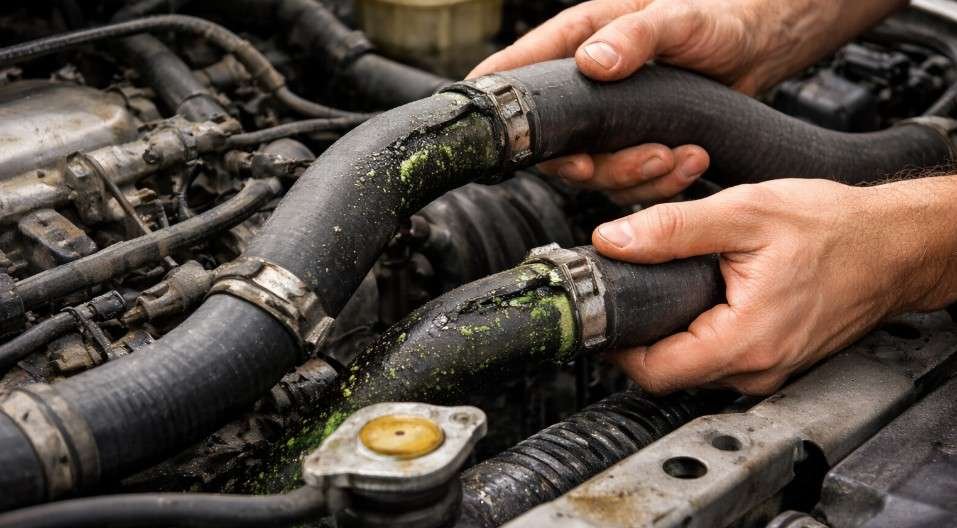
Coolant does more than sit in a reservoir. It absorbs heat from the engine and carries it to the radiator. Without enough coolant, the system cannot regulate temperature.
Low coolant levels are one of the most overlooked common causes of engine overheating. Sometimes the drop happens because of an active leak. Other times, it’s simple neglect. Drivers forget to check levels during routine maintenance.
Even gradual evaporation over years can reduce coolant efficiency. If your reservoir consistently runs low, topping it off is only a temporary fix. You need to find out why it’s dropping.
Faulty Thermostat Causes Rapid Temperature Spikes
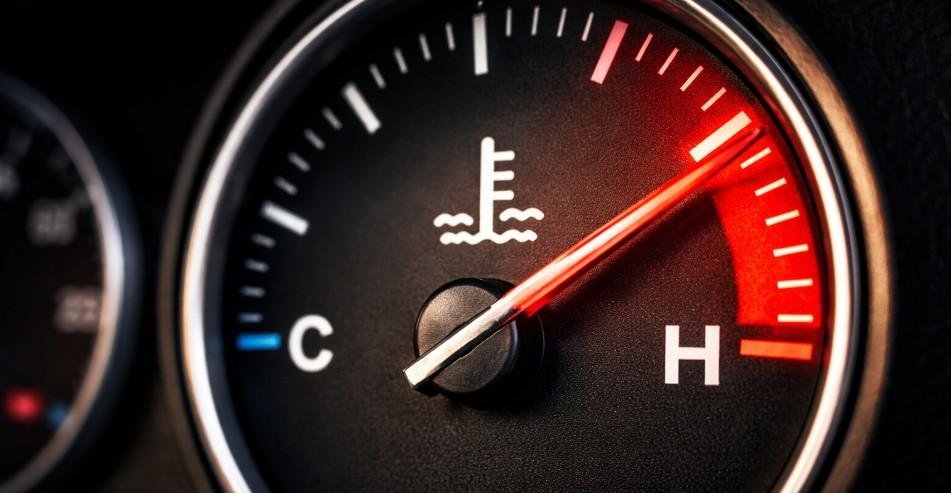
Absolutely. The thermostat controls when coolant flows to the radiator. It stays closed when the engine is cold and opens once the engine reaches operating temperature.
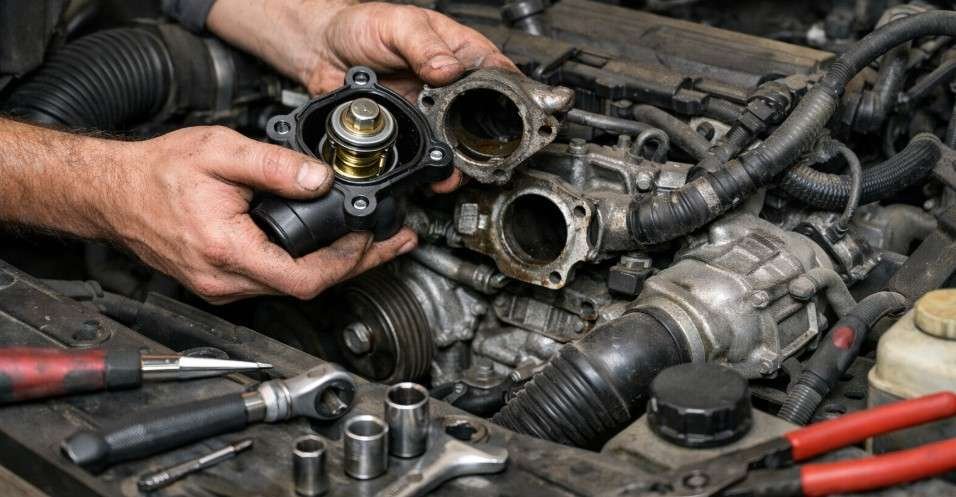
If the thermostat gets stuck closed, coolant cannot circulate. Heat builds up quickly. This is one of the classic common causes of engine overheating because it can happen suddenly.
Sometimes thermostats fail intermittently. You may notice your temperature gauge fluctuating randomly. Replacing a faulty thermostat is often inexpensive compared to the damage that prolonged overheating can cause.
Water Pump Is Really That Important
Think of the water pump as the heart of your cooling system. It keeps coolant moving through the engine.
A broken impeller inside the pump may not circulate enough fluid. Worn bearings can cause leaks and strange whining noises. When the water pump fails, it quickly becomes one of the major common causes of engine overheating.
If you hear unusual noises near the front of your engine or notice coolant dripping underneath, have it checked. Waiting only increases the risk of severe damage.
Role of the Radiator and Fan
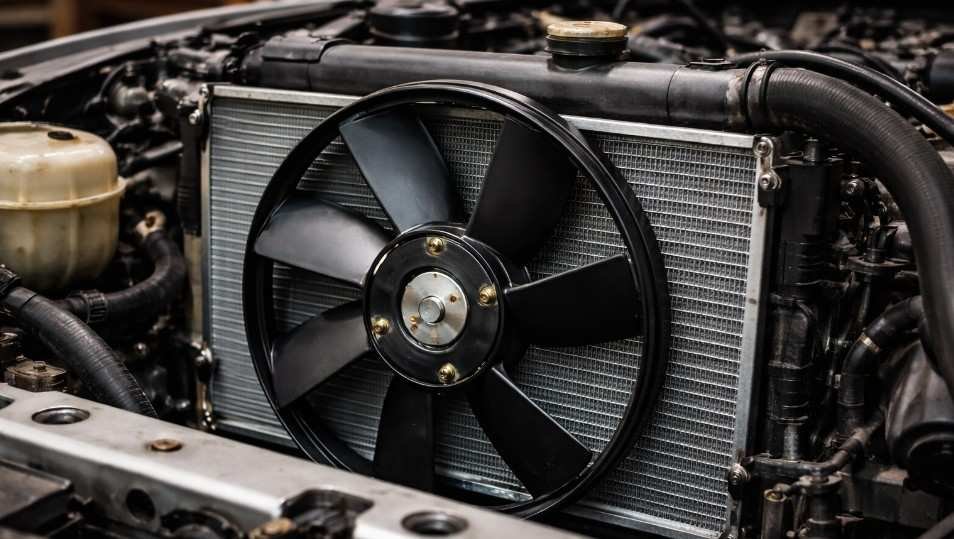
Your radiator releases heat absorbed by coolant. The fan pulls air through the radiator, especially when you are idling or driving slowly.
Radiator and fan problems are common causes of engine overheating, particularly in heavy traffic. A clogged radiator restricts coolant flow. Dirt and debris can block airflow from the outside. If the fan motor fails, there is not enough airflow at low speeds.
Even a faulty radiator cap can cause trouble. The cap maintains pressure in the cooling system. Without proper pressure, coolant boils at a lower temperature, leading to boil-overs.
Driving Conditions Make Overheating Worse
Yes, and this surprises many drivers. Extreme weather conditions can overwhelm even a healthy cooling system.
Heavy towing, steep hills, and extremely hot weather increase engine strain. Stop-and-go traffic reduces airflow. These factors amplify small weaknesses in the cooling system and turn them into full overheating events.
Low engine oil also contributes. Oil reduces friction and helps manage internal heat. Insufficient oil increases temperature, which compounds the common causes of engine overheating.
Responding to Common Causes of Engine Overheating Step by Step
- If your temperature gauge starts rising, turn off your air conditioning immediately. Then switch the heater to full power. It may feel uncomfortable, but it helps pull heat away from the engine.
- Next, find a safe place to pull over. Shut off the engine and wait at least twenty minutes. Never open the radiator cap while the engine is hot. Steam and pressurized coolant can cause severe burns.
- After the engine cools, check the coolant reservoir. If it is low and you have water or coolant available, carefully add it. This is only a temporary measure. Drive slowly and monitor the temperature. If it rises again, stop driving and seek professional help.
The real solution is diagnosing which of the common causes of engine overheating triggered the problem.
How To Prevent Common Causes of Engine Overheating?
Prevention is much easier than repair. Start by checking coolant levels monthly. Inspect hoses for cracks or bulges. Replace coolant at manufacturer-recommended intervals.
Have your thermostat and water pump inspected during major services. Clean debris from your radiator. Keep engine oil at proper levels and change it on schedule.
These simple habits drastically reduce the likelihood of dealing with the common causes of engine overheating unexpectedly.
Frequently Asked Questions
1. What are the most common causes of engine overheating in newer vehicles?
In modern vehicles, the most common causes of engine overheating still involve coolant leaks, thermostat failure, radiator blockages, and water pump issues. Even though today’s engines are more efficient, they operate at higher temperatures. That means small cooling problems can escalate quickly. Regular inspections and timely maintenance are essential to prevent serious overheating damage.
2. Can I drive my car after it overheats once?
You might be able to drive short distances after the engine cools down, but it is risky. Repeated overheating can warp engine components or damage the head gasket. Even a single severe overheating event can weaken internal parts. It is always safer to diagnose the issue immediately instead of hoping it will not happen again.
3. How often should I check coolant to avoid overheating?
Checking coolant once a month is a good habit. You should also inspect it before long road trips or during extreme weather. If you notice frequent drops, have the system pressure-tested for leaks. Staying proactive dramatically reduces the risk of facing the common causes of engine overheating.
4. Does engine oil impact overheating?
Yes, engine oil plays a role in temperature control. Oil reduces friction between moving parts and helps dissipate heat. Low oil levels increase internal heat and can contribute to overheating. Keeping oil levels correct supports both lubrication and temperature regulation.
Final Thoughts on Engine Overheating
Here is the truth. The common causes of engine overheating are rarely mysterious. They usually start small and grow when ignored. A minor coolant leak, a worn thermostat, or low oil might not seem urgent at first. But left unchecked, they lead to expensive repairs.
I learned the hard way that your temperature gauge is not something to ignore. Now I treat it like a built-in early warning system. When it moves higher than normal, I pay attention immediately.
Stay consistent with maintenance. Listen to your car. Address small issues before they escalate. When you understand the common causes of engine overheating, you stay in control instead of stranded on the side of the road watching steam rise into the air.