

I still remember brushing off my constant fatigue and mood swings as “just a busy season.” My skin was breaking out, my sleep felt broken, and my cycle had a mind of its own. When I started researching the signs of hormonal imbalance in women, I realized my body had been sending signals long before I paid attention. If you are feeling off but cannot pinpoint why, this guide will help you understand what may be happening beneath the surface.
Hormonal imbalances occur when there is too much or too little of a specific hormone in the bloodstream, and because hormones regulate most major bodily processes, symptoms can vary widely. Let us walk through this in a way that feels clear, practical, and empowering.
What Are the Most Common Signs of Hormonal Imbalance in Women?
When women search for the signs of hormonal imbalance in women, they are usually looking for validation. They want to know if what they are experiencing is normal.
The most common signs include irregular or heavy periods, persistent fatigue, mood swings, unexplained weight changes, acne, hair thinning, hot flashes, night sweats, and low libido. Some women also notice digestive changes or trouble sleeping.
The important thing to remember is this: one bad week does not equal imbalance. Patterns that repeat for months are what truly matter.
Common Physical Signs of Hormonal Imbalance in Women
Physical symptoms are often the first noticeable signs of hormonal imbalance in women because the body reacts quickly to internal shifts.
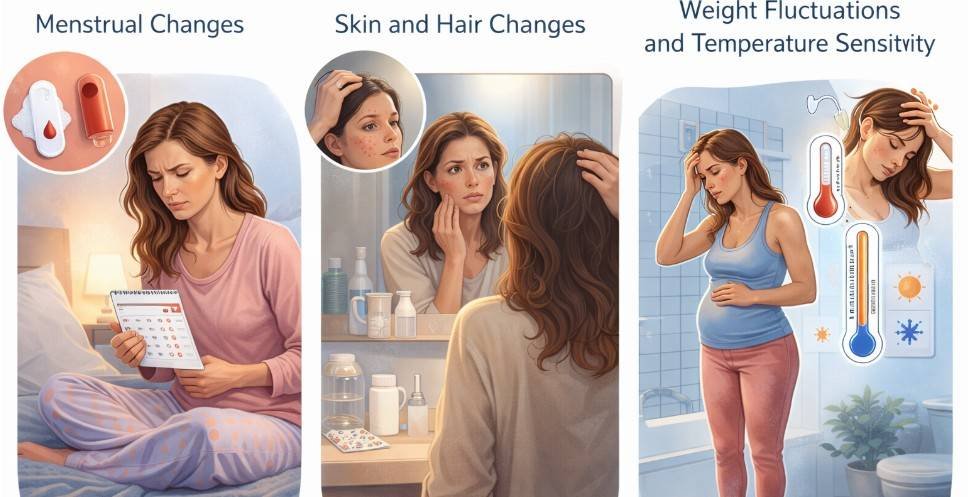
Menstrual Changes
Irregular cycles, missed periods, unusually heavy bleeding, or spotting between periods often reflect changes in estrogen and progesterone. If your cycle suddenly becomes unpredictable for several months, that is worth paying attention to.
Consistently long cycles may signal ovulation issues, while extremely short cycles can indicate low progesterone. Tracking your cycle helps you see these trends clearly.
Skin and Hair Changes
Adult acne, especially along the jawline and chin, often connects to androgen levels. Hair thinning on the scalp or excess hair growth on the face or chest may also reflect hormonal shifts.
If your skincare routine has not changed but your skin has, hormones may be part of the story.
Weight Fluctuations and Temperature Sensitivity
Unexplained weight gain or difficulty losing weight can point toward insulin resistance, thyroid imbalance, or elevated cortisol. On the other hand, sudden unintentional weight loss can signal thyroid changes.
Hot flashes, night sweats, or constant sensitivity to heat or cold are also common hormonal signals. These symptoms frequently appear during perimenopause but can occur at other stages too.
Mental and Emotional Signs of Hormonal Imbalance in Women
Hormones influence brain chemistry just as much as they influence physical health.

Mood Instability
If you feel more anxious, irritable, or emotionally reactive than usual, hormones may be contributing. Estrogen and progesterone fluctuations can significantly impact mood regulation.
Many women notice stronger emotional shifts before their period. However, persistent mood instability throughout the month deserves further attention.
Brain Fog and Cognitive Changes
Difficulty concentrating, forgetfulness, or that frustrating “foggy” feeling can connect to estrogen or thyroid levels. When hormones fluctuate, mental clarity often follows.
If you find yourself rereading emails or forgetting simple tasks, it might not be burnout alone.
Sleep and Energy Issues
Chronic fatigue that does not improve with rest is one of the most common signs of hormonal imbalance in women. Insomnia or difficulty staying asleep may also reflect cortisol or estrogen changes.
Poor sleep can worsen other symptoms, creating a cycle that feels hard to break.
Sexual and Reproductive Signs of Hormonal Imbalance in Women
Hormonal balance is central to reproductive health.

Low Libido
A noticeable drop in sexual desire can relate to estrogen, progesterone, or testosterone changes. This is more common than many women realize and often feels confusing or frustrating.
If libido shifts alongside mood or cycle changes, hormones may be involved.
Vaginal Dryness and Discomfort
Vaginal dryness or discomfort during intercourse often appears during perimenopause and menopause. However, it can occur earlier due to stress or other hormonal shifts.
These symptoms are not just inconvenient. They are signals.
Fertility Challenges
Difficulty conceiving is frequently linked to hormonal disorders such as Polycystic Ovary Syndrome or thyroid dysfunction. If pregnancy has been challenging despite regular attempts, hormonal evaluation may provide clarity.
Why Do Hormonal Imbalances Happen?
Hormonal shifts are not always negative. Life stages such as puberty, pregnancy, postpartum recovery, and menopause naturally change hormone levels.
However, underlying conditions can also contribute. PCOS, thyroid disorders, insulin resistance, and chronic stress are common triggers. Certain medications and extreme dieting can disrupt hormone production as well.
Modern lifestyles often combine high stress, poor sleep, and inconsistent nutrition. These factors can quietly influence hormonal balance over time.
How to Respond to Signs of Hormonal Imbalance in Women
If you recognize signs of hormonal imbalance in women in your own life, start with awareness instead of panic.
- First, track your symptoms daily for at least one full menstrual cycle. Write down sleep patterns, mood shifts, energy levels, digestive changes, and cycle details. After several weeks, patterns often become obvious.
- Second, strengthen your foundation. Prioritize seven to eight hours of sleep, eat balanced meals with protein and fiber, reduce processed sugar, and incorporate strength training or walking. Stress management techniques like deep breathing or yoga can also stabilize cortisol.
- Third, consult a healthcare provider if symptoms persist. Diagnosis typically involves blood tests to check estrogen, progesterone, thyroid hormones, cortisol, and sometimes insulin levels. Testing should be guided by symptoms rather than done randomly.
When Should You See a Doctor?

Persistent or severe symptoms should never be ignored. If you experience bleeding after menopause, sudden dramatic weight changes, severe depression, intense pelvic pain, or symptoms that interfere with daily life, schedule an appointment promptly.
A provider will review your medical history, evaluate lifestyle factors, and order targeted lab tests. Early intervention often leads to simpler treatment plans and better outcomes.
Frequently Asked Questions
1. How long do signs of hormonal imbalance in women last?
Temporary imbalances caused by stress or illness may resolve within a few months. However, conditions like PCOS, thyroid disorders, or perimenopause can cause longer lasting symptoms. If signs persist beyond three months, professional evaluation is recommended.
2. Can stress cause signs of hormonal imbalance in women?
Yes. Chronic stress raises cortisol levels, which influence reproductive and thyroid hormones. Over time, this can disrupt cycles, sleep, and mood. Reducing stress can significantly improve symptoms in many cases.
3. What tests are used to diagnose hormonal imbalance?
Doctors commonly order blood tests to measure thyroid hormones, estrogen, progesterone, testosterone, cortisol, and blood sugar markers. Testing is most accurate when interpreted alongside symptoms and medical history.
4. Can lifestyle changes improve hormonal imbalance?
Lifestyle improvements can greatly reduce symptoms. Consistent sleep, balanced nutrition, regular movement, and stress management support hormone production. While medical treatment may still be necessary in some cases, healthy habits create a strong foundation.
Listening to the Signs of Hormonal Imbalance in Women
The signs of hormonal imbalance in women are not random or dramatic. They are messages. Your body communicates through patterns. Irregular cycles, mood swings, fatigue, skin changes, and sleep disturbances often connect in ways that make sense once you look closely.
Start by tracking, strengthening your daily habits, and seeking guidance when needed. You do not have to guess or struggle alone. When you treat your body like a partner instead of a problem, balance becomes possible.