
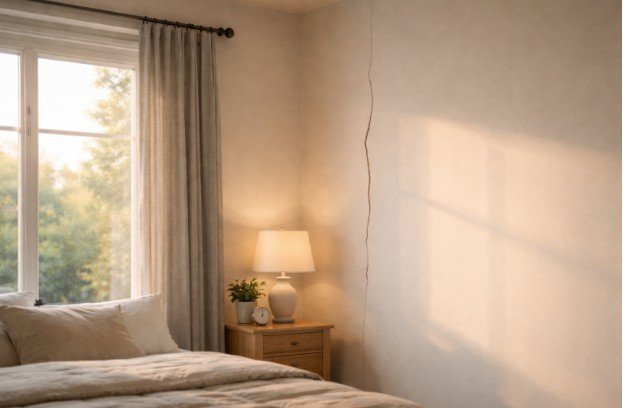
If you searched how to fix cracks in walls, you probably noticed thin lines slowly appearing near corners, ceilings or around doors. At first they look harmless, but over time they grow wider and repainting no longer hides them.
The important thing to understand is that most wall cracks are not dangerous, but repairing them incorrectly guarantees they will return. In this guide you will learn how to fix cracks in walls the correct way, how to identify when a crack is serious, and how to repair it so it stays invisible for years instead of months.
Key Takeaways
- Most cracks are cosmetic
- Reinforcement prevents recurrence
- Wide cracks need reinforcement tape to prevent reopening
- Recurring cracks indicate movement not paint failure
- Structural cracks must be inspected before repair
Understanding Wall Crack Types

Before repairing anything, you must identify the crack. Repair technique depends on movement, not appearance.
Hairline cracks are extremely thin and appear in painted surfaces due to temperature change and paint shrinkage. They are safe and easy to repair. Drywall joint cracks are straight lines where two sheets meet and usually appear after house settling.
These are common and repairable. Foundation or structural cracks are different. If a crack widens, grows diagonally, or doors begin sticking, repair should stop until inspection. Patching these only hides the warning sign.
Tools and Materials Required To fix Cracks in Wall

Using proper tools improves durability more than expensive compounds.
Basic Tools
- Putty knife
- Utility knife
- Sandpaper (100 and 220 grit)
- Dust brush or vacuum
- Paint brush or roller
Repair Materials
- Spackling compound for small cracks
- Setting joint compound for wide cracks
- Fiberglass mesh tape
- Internal caulking
- Primer and matching paint
Surface Preparation
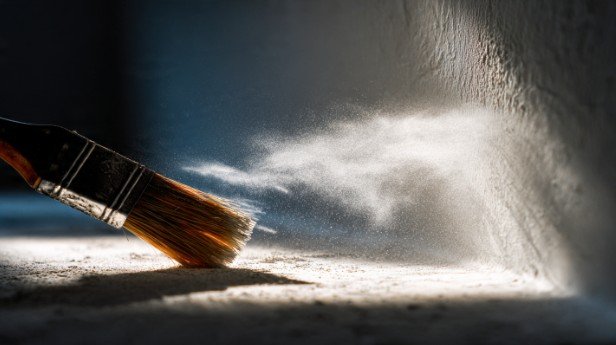
Most failed repairs happen because people fill directly over paint. The crack must first be opened slightly into a shallow groove. This gives the filler something to grip instead of sitting on top of smooth paint.
After opening, remove all dust using a brush or damp cloth. If any loose drywall paper exists, trim it carefully so the patch bonds firmly.
Repairing Small Cracks
For hairline cracks, flexible filler works best. Apply acrylic caulk or thin spackle along the crack and smooth it immediately. Once dry, lightly sand and paint. The flexibility allows the wall to expand and contract without reopening the line.
Repairing Medium Cracks
For drywall joint cracks, apply a thin layer of compound and press it firmly into the groove. Spread the edges outward so the patch blends gradually with the wall. After drying, sand lightly and apply a second coat before painting.
Repairing Large or Recurring Cracks
Wide cracks require reinforcement. Place fiberglass mesh tape across the crack and cover it with joint compound. Extend the compound several inches beyond the damaged area to avoid visible patch edges. After drying, apply another thin coat and sand again. Primer before painting ensures the repair disappears.
Why Cracks Come Back

Many people repair cracks perfectly yet see them return. The reason is movement rather than bad material. Walls expand and shrink seasonally, and rigid fillers break when the surface shifts. Lack of tape reinforcement is another major cause. Moisture also weakens repairs, especially in kitchens and bathrooms.
Corners and Ceiling Repairs
Corners crack frequently because two walls move independently. These areas require tape even for small cracks. Ceilings need thinner coats because gravity pulls heavy compounds downward. Applying several thin layers works better than one thick layer.
Preventing Future Cracks
Permanent repair depends on controlling movement inside the house. Stable humidity helps reduce expansion, while proper ventilation and indoor air quality prevents moisture weakening the patch. Using quality acrylic paint also helps because it stretches slightly with temperature change.
Recognizing Structural Problems
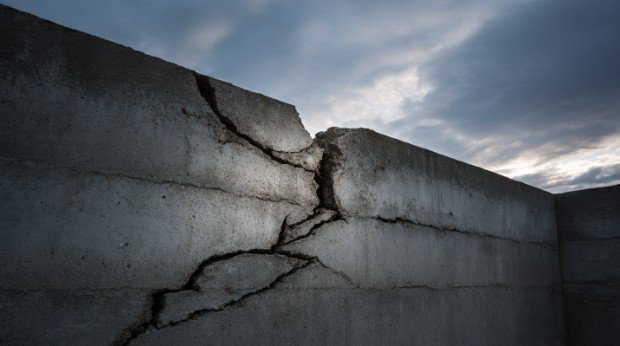
Sometimes repairing a crack is the wrong decision. If the crack keeps widening, forms stair step patterns in brick, or doors stop closing properly, structural movement may exist. Cosmetic repair should wait until inspection confirms safety.
Common Mistakes
People often repaint instead of repair, apply thick compound layers, or skip primer. These mistakes make patches visible after drying and cause the crack to reappear faster.
Maintenance After fix cracks in walls
After seasonal weather changes, inspect repaired areas briefly. Small touch ups early prevent large repairs later. Regular observation keeps walls smooth with minimal effort. It is a life long learning that actually work to fix it.
Frequently Asked Questions
1. Do wall cracks mean foundation damage?
Most cracks are cosmetic, but widening or diagonal cracks should be inspected.
2. What filler lasts longest?
A joint compound with mesh tape lasts significantly longer than a simple spackle.
3. Should I paint before or after repair?
Always repair and prime before painting.
4. Why does the crack show after painting?
Paint shrinks into the gap if the crack was not fully filled.
5. Can I skip sanding?
No, sanding blends the repair with the wall surface.
Conclusion
Learning how to fix cracks in walls properly means repairing the cause along with the surface. Small cracks can be permanently fixed using flexible filler, while wider cracks require reinforcement tape and thin layered application.
When preparation, material choice and prevention methods are combined, repairs remain invisible and rarely return.