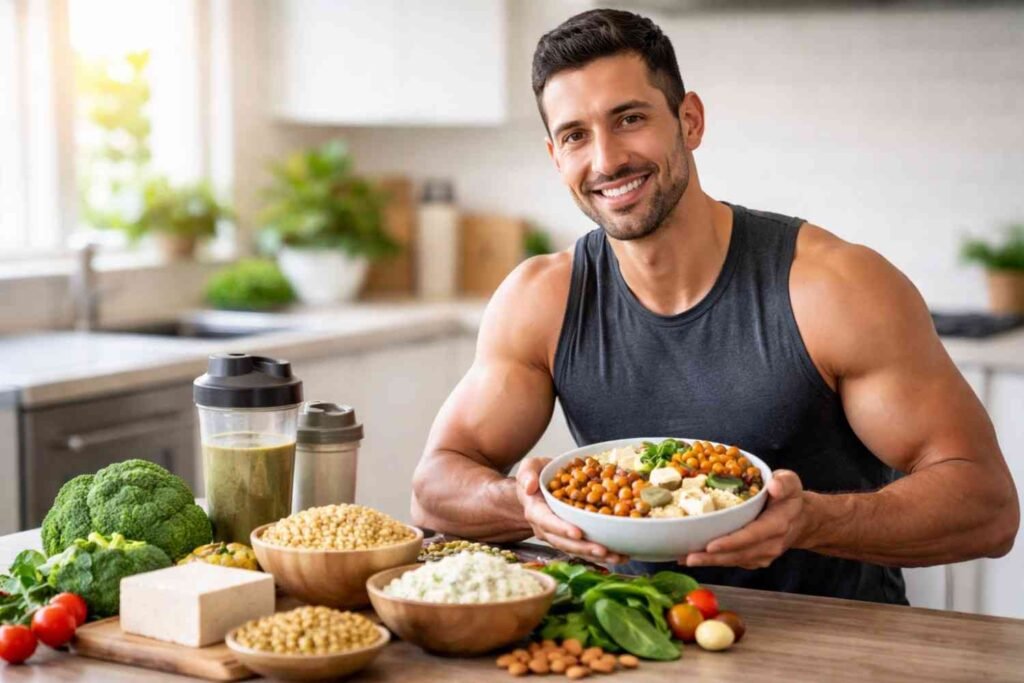
If you’re wondering how to build muscle mass on a vegetarian diet, you’re not alone. Many people think muscle gain requires meat, but with the right strategy and nutrition, vegetarians can pack on lean muscle effectively. In this article, we’ll break down practical science‑backed advice, vegetarian protein sources, training tips, and meal planning to help you grow stronger without eating meat.
Why Building Muscle on a Vegetarian Diet Is Possible
Contrary to common belief, a well‑planned vegetarian diet can support muscle growth just as effectively as a meat‑based one. Research has shown that strength and performance outcomes don’t consistently differ between vegetarian and non‑vegetarian athletes when caloric and macronutrient needs are met. Diet influences molecular signaling and adaptation, but plant‑based diets won’t inherently hold you back from gains.
To build muscle, you need two core factors:
- Progressive resistance training (lifting weights, bodyweight workouts, etc.)
- Adequate protein and caloric intake to fuel repair and growth
Determine Your Protein and Calorie Needs
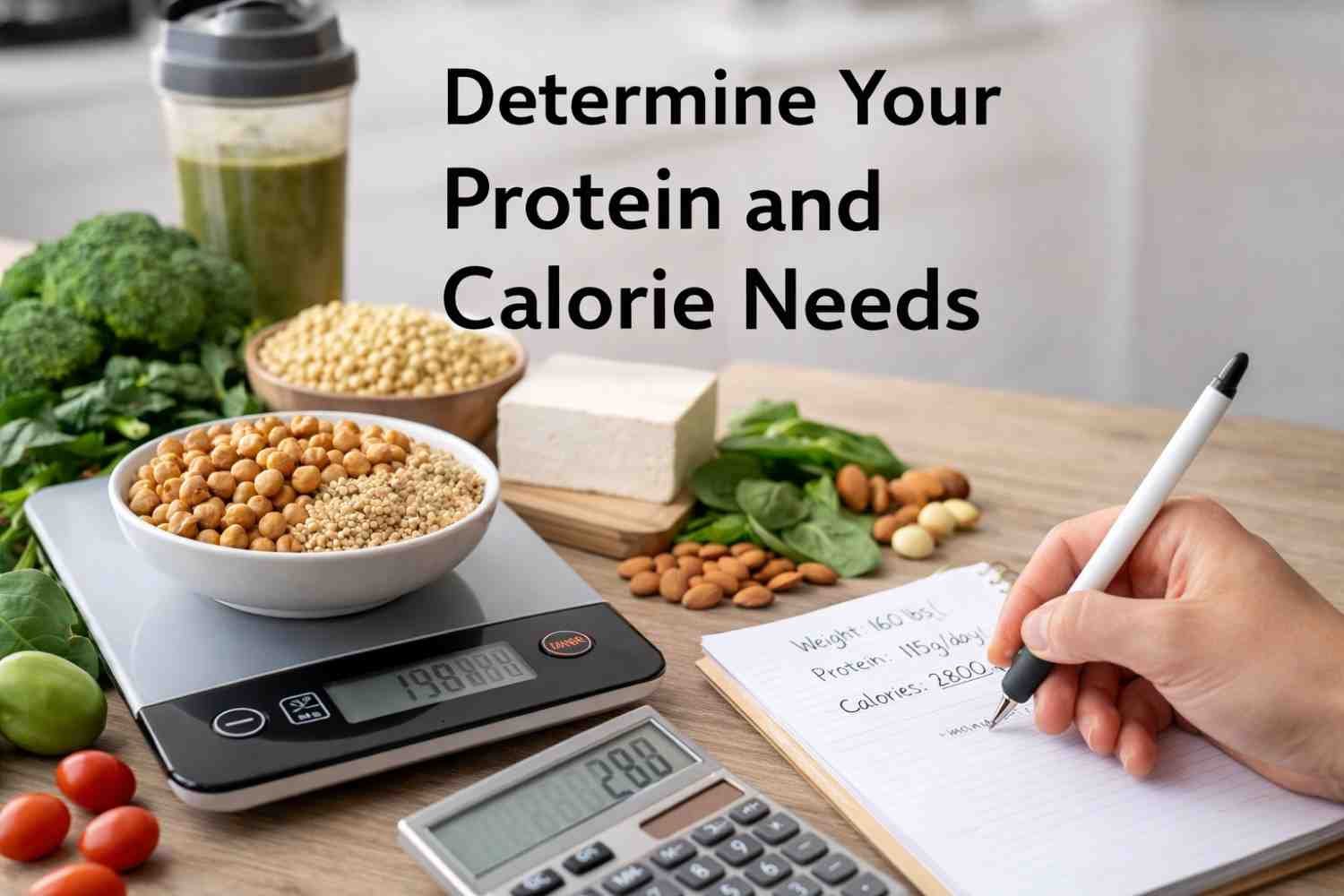
Muscle growth depends heavily on protein availability. The standard recommendation for active individuals aiming to grow muscle is roughly 1.6 to 2.2 grams of protein per kilogram of body weight per day.
To be in a growth‑friendly state, you should also be in a calorie surplus — eating more calories than you burn — because your body needs extra energy to build tissue.
Best Vegetarian Protein Sources for Muscle Growth
Hitting your protein targets on a vegetarian diet is doable if you strategically include a variety of sources. Combining different plant proteins throughout the day helps ensure you get all nine essential amino acids needed for muscle protein synthesis.
Here are some of the highest‑impact vegetarian protein choices:
- Soy products: Tofu, tempeh, edamame — nearly complete proteins.
- Legumes: Lentils, chickpeas, beans — versatile and rich in protein.
- Grains: Quinoa and amaranth — offer more protein than typical grains.
- Dairy (if lacto‑vegetarian): Greek yogurt, paneer — high quality protein.
- Nuts & seeds: Almonds, chia, hemp — add healthy fats and extra amino acids.
- Supplement options: Plant protein powders (pea, rice, soy) can help fill gaps.
Aim to include a dose of protein with every meal and snack — this not only helps with meeting totals, it also optimizes muscle protein synthesis throughout the day to track your fitness without the scale.
Structuring Your Meals for Muscle Gain
Balanced Macro Targets
Your muscle‑building meals should balance:
- Protein: To repair and grow muscle fibers
- Carbohydrates: To fuel workouts and recovery
- Healthy fats: To support hormone health and energy
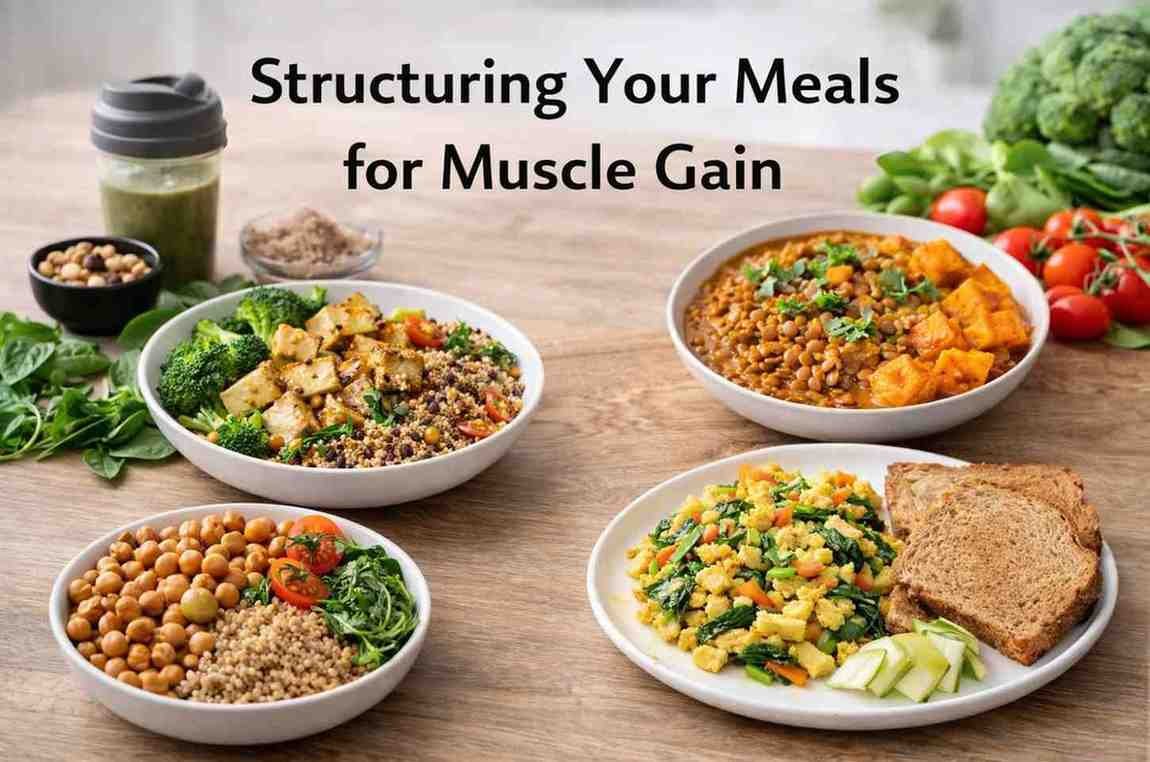
Good vegetarian combinations include:
- Quinoa + black beans + mixed veggies
- Tofu scramble with whole‑grain toast
- Greek yogurt with fruit, seeds, and oats
- Lentil curry with brown rice
A simple rule of thumb: prioritize protein‑rich plant foods, then round out each meal with colorful vegetables, complex carbs, and healthy fats.
Sample Day of Eating
Here’s a snapshot of a day designed for muscle gain:
- Breakfast: Greek yogurt with chia seeds and berries
- Mid‑morning snack: Smoothie with plant protein powder, banana, and spinach
- Lunch: Chickpea quinoa bowl with veggies and tahini dressing
- Pre‑workout snack: Peanut butter on whole‑grain toast
- Post‑workout: Protein shake or tofu stir‑fry
- Dinner: Lentil chili with sweet potato
Top Training Tips to Maximize Muscle Gain
Diet alone can’t build muscle — your workouts matter just as much.
Strength Training Focus
To build muscle, focus on progressive resistance training:
- Compound movements: Squats, deadlifts, presses and rows
- Progressive overload: Gradually increase weights, reps, or intensity
- Consistency: Train consistently (3–5 days per week)
Slow, controlled lifts and proper form reduce injury risk and ensure your muscles are challenged effectively.
Recovery Matters
Muscle growth happens during rest — not just in the gym. Prioritize:
- 7–9 hours of sleep per night
- Adequate hydration
- Balanced nutrition across all meals
Common Pitfalls to Avoid
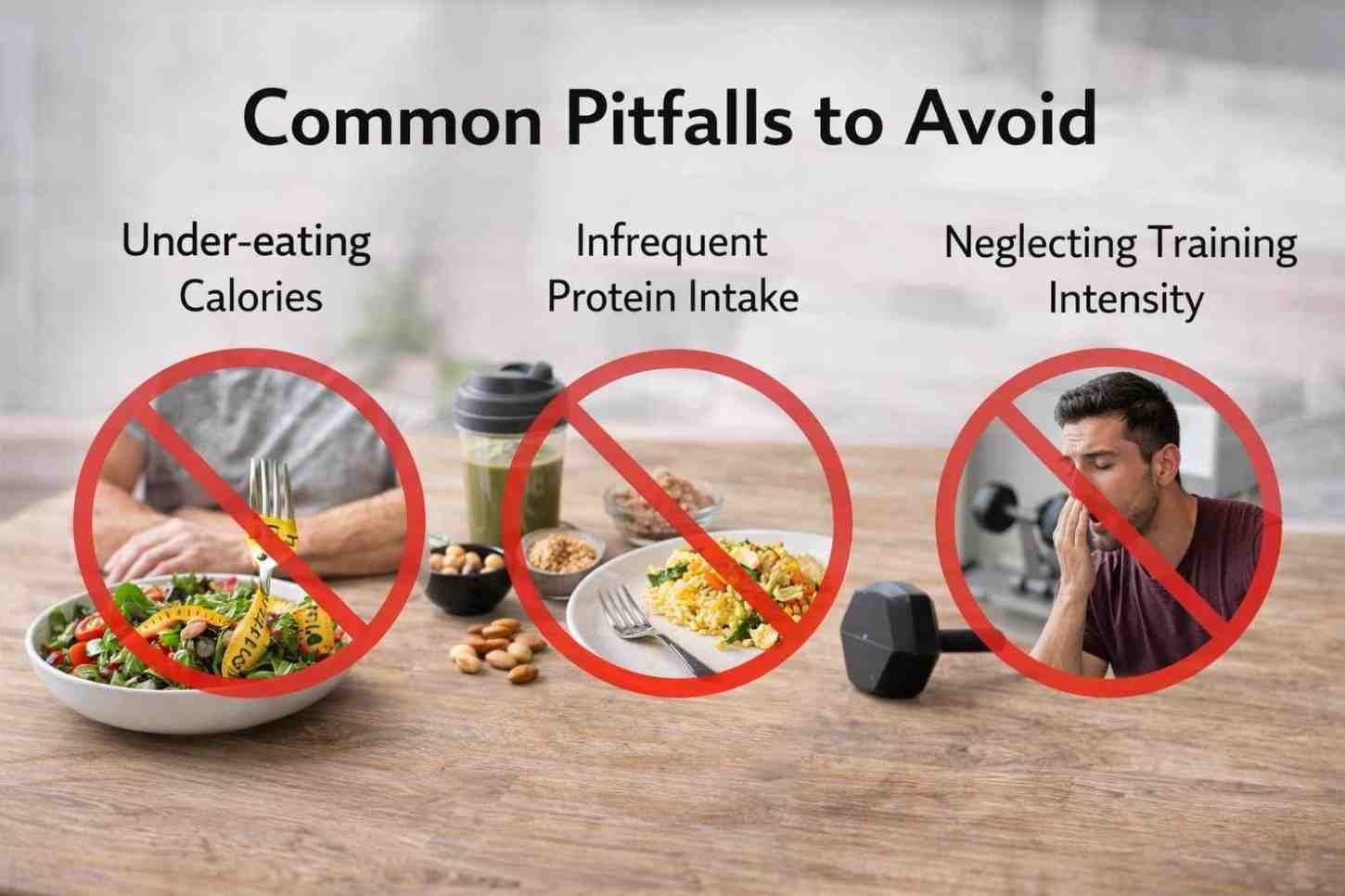
- Under‑eating calories: A calorie deficit stalls muscle growth
- Infrequent protein intake: Skipping protein at meals reduces synthesis
- Neglecting training intensity: Heavy enough loads are necessary to prompt growth
Frequently Asked Questions (FAQs)
1. Can vegetarians build muscle as effectively as non‑vegetarians?
Yes. Studies show no consistent performance deficits between vegetarian and omnivorous athletes when energy and protein needs are met.
2. How much protein should I aim for to build muscle?
For muscle gain, aim for around 1.6–2.2 grams of protein per kilogram of body weight each day.
3. Do I need supplements to build muscle on a vegetarian diet?
Not necessarily. Whole foods can meet protein needs, but plant‑based protein powders can help if you struggle to hit targets.
4. What is the best time to eat protein for muscle growth?
Distributing protein evenly throughout the day — including post‑workout — supports muscle protein synthesis better than large infrequent doses.
Conclusion: Sustainable Muscle Growth as a Vegetarian
Understanding how to build muscle mass on a vegetarian diet boils down to smart nutrition and consistent training. With a well‑balanced, protein‑rich eating plan and a structured resistance training program, vegetarian athletes and gym‑goers can gain muscle just as effectively as those who eat meat.
Prioritize quality plant proteins, spread protein throughout the day, and stay consistent in your workouts — and you’ll be on track toward your strength goals.