
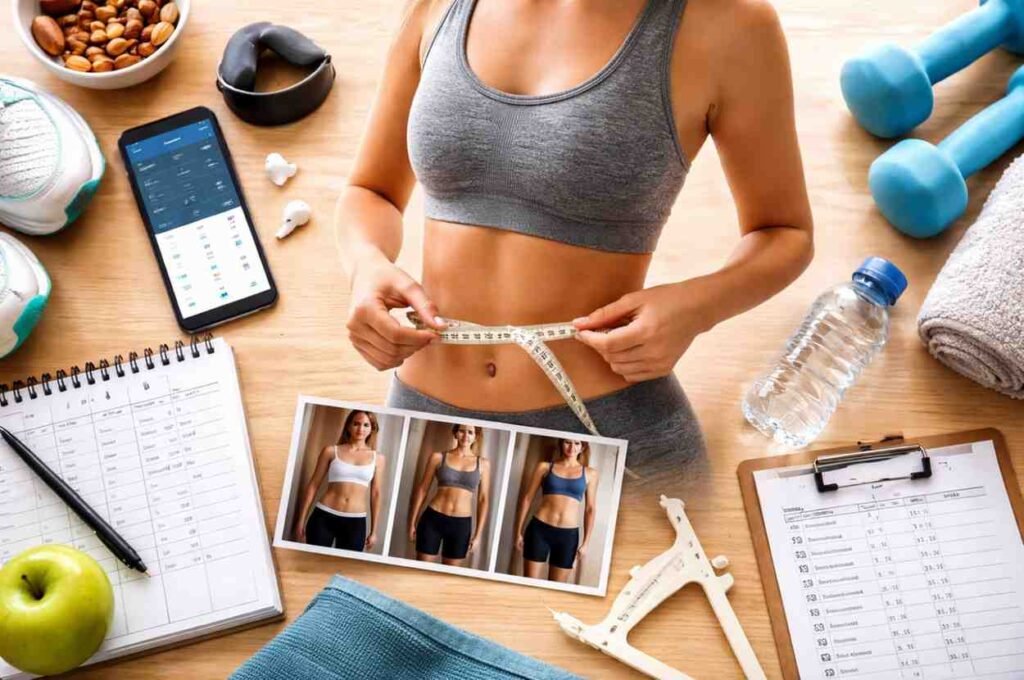
When people start a new fitness routine, one of the first questions they ask is how to track fitness progress without a scale. For many, the number on the scale becomes the main benchmark for success—but relying solely on weight can be misleading, frustrating, and unhelpful for long‑term motivation.
Fortunately, there are far better ways to assess your progress that reflect real changes in strength, endurance, body composition, and overall health.
Why You Should Track Fitness Progress Beyond Weight
The number on the scale doesn’t provide a full picture of your fitness journey. Muscle is denser than fat, so you might be building muscle while losing fat and not see a corresponding drop in weight. Daily fluctuations due to hydration, digestion, and hormones also make scale weight an unreliable day‑to‑day metric.
Tracking progress without a scale helps you focus on functional improvements and sustainable health gains rather than a single fluctuating number.
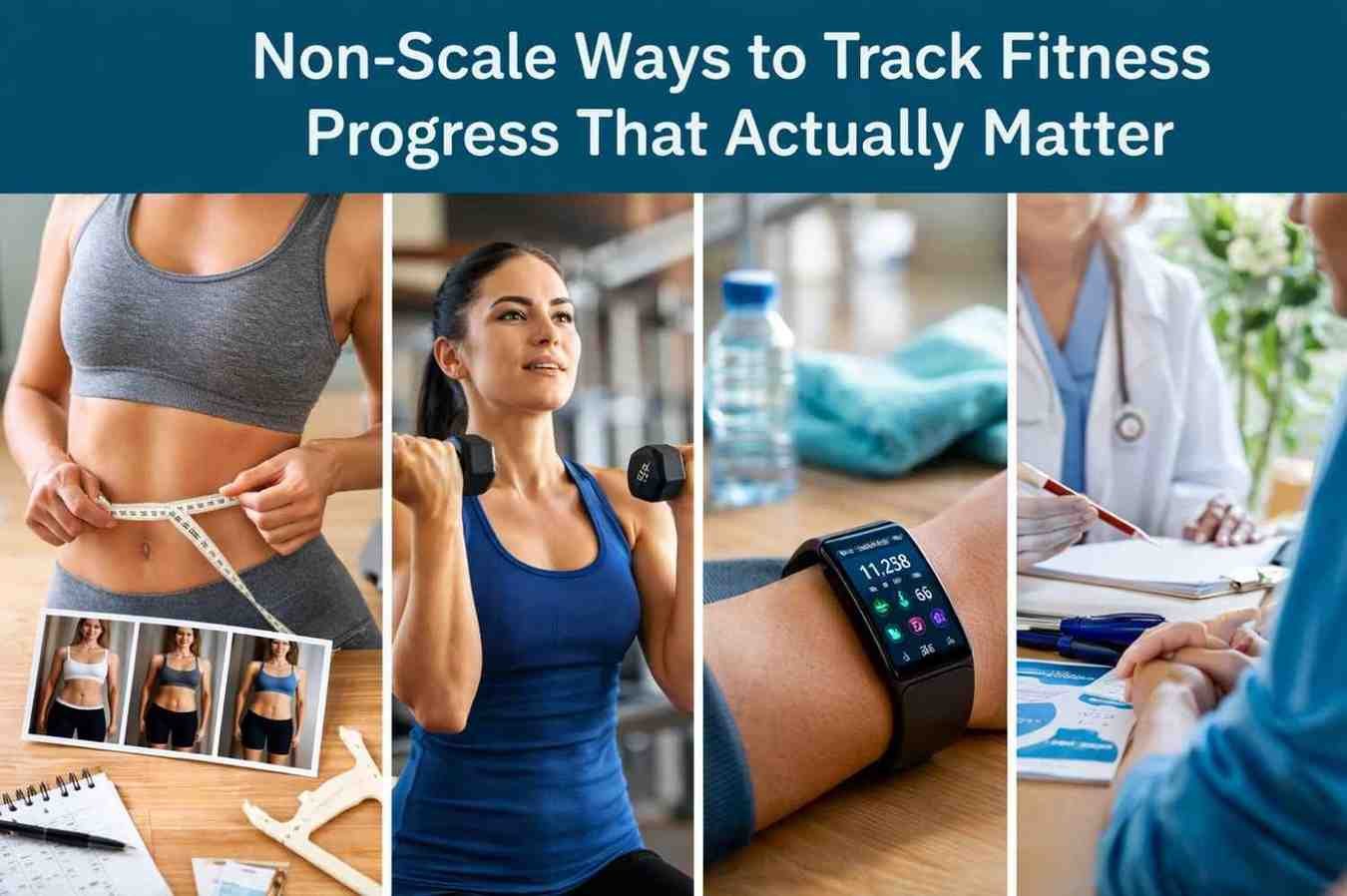
Non‑Scale Ways to Track Fitness Progress That Actually Matter
1. Physical Measurements & Appearance
- Body Measurements: Use a flexible tape measure monthly to track the circumference of your waist, hips, chest, thighs, and arms. These measurements offer a better reflection of body composition than the scale ever will.
- Clothing Fit: Pay attention to how “benchmark” clothes, like a pair of non-stretchy jeans, fit over time. A looser waistband or tighter sleeves (indicating muscle growth) are clear indicators of physical change.
- Progress Photos: Take photos every 4–6 weeks from the front, side, and back in the same lighting and outfit. These photos will help you visually observe shifts in muscle tone and posture.
- Body Fat Calipers: Use skin-fold calipers to estimate body fat percentage. This can often be more relevant than weight since it reflects muscle vs. fat composition.
2. Performance & Capability
- Benchmark Tests: Periodically re-test your maximum push-ups, mile run time, or plank hold time to track physical endurance improvements.
- Strength Gains: Log your workouts using apps like Hevy or Strong to track whether you’re lifting heavier weights or completing more repetitions. Seeing these improvements will show how much stronger you’re becoming.
- Daily Stamina: Pay attention to “non-scale victories,” like climbing stairs without getting winded or carrying heavy groceries with ease. These everyday activities reflect your increasing stamina.
- Flexibility: Track your range of motion, such as your ability to touch your toes or squat deeper. Flexibility is an important aspect of overall fitness and health.
3. Health & Wellness Markers
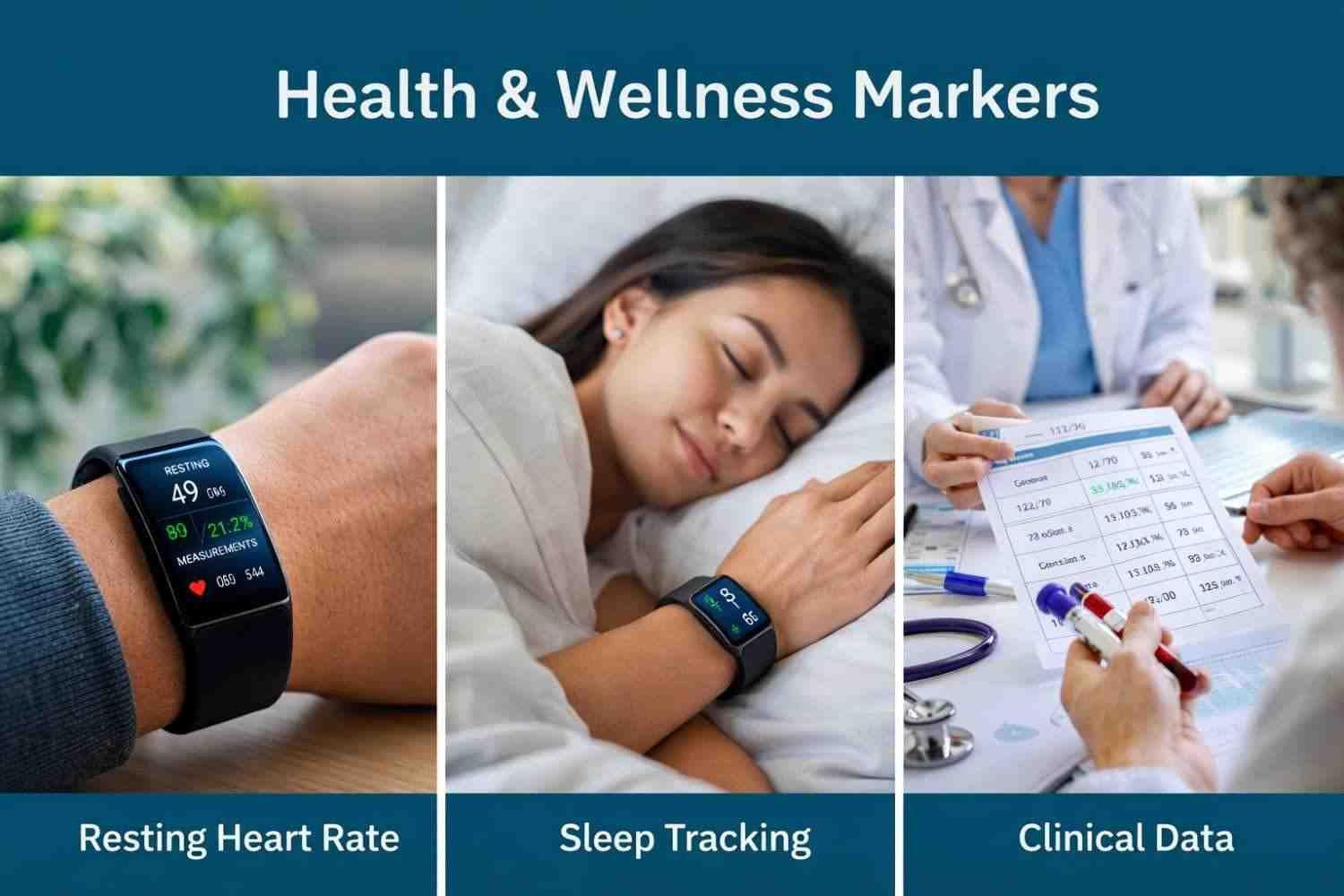
- Resting Heart Rate: Monitor your pulse; a lower resting heart rate (closer to 60 or even 40–50 for athletes) typically indicates improved cardiovascular efficiency.
- Sleep & Mood: Track improvements in sleep quality and energy levels using a wellness journal. Better sleep and mood are signs of overall health improvements, even if the scale remains unchanged.
- Clinical Data: Ask your doctor for bloodwork updates. Improvements in blood pressure, cholesterol, and blood sugar are vital internal indicators of progress and overall health.
Many of these markers also improve when you combine regular exercise with an anti inflammatory diet, which supports recovery, reduces chronic inflammation, and enhances overall metabolic function.
4. Advanced Technology
- DEXA Scans: For the most precise data, professional DEXA scans provide a detailed breakdown of body composition, including bone density, lean muscle mass, and fat mass.
- Fitness Trackers: Devices like an Apple Watch or Fitbit can track steps, active minutes, and recovery metrics. These devices help you monitor daily physical activity and overall fitness without the need for a scale.
Frequently Asked Questions (FAQs)
1. How often should I track fitness progress without a scale?
It’s ideal to track performance metrics weekly, take body measurements monthly, and reassess broader trends quarterly. This balanced approach helps you see both short-term and long-term progress without over-relying on the scale.
2. Can I still use weight as part of tracking progress?
Yes, if you prefer. However, weight should be just one of many metrics. Combining weight with body measurements, progress photos, and performance metrics offers a more complete picture of progress.
3. What if my clothes feel tighter but I’m exercising regularly?
Clothing fit can change due to muscle gain, body shape changes, or even fluid retention. Focus on performance, measurements, and how you feel to better understand why your clothes might feel tighter.
4. How can I use fitness trackers to track progress?
Fitness trackers help you monitor key metrics like steps, heart rate, active minutes, and recovery data. These insights allow you to track your daily activity and observe trends over time, offering a clear picture of your progress beyond just weight.
Conclusion: A Holistic Way to Track Fitness Progress Without a Scale
Knowing how to monitor your fitness development without a scale entails changing your attention from a single figure to a collection of significant signs that represent your body composition, strength, endurance, and general well-being.
You’ll get a complete picture of your fitness journey that encourages motivation and long-term success by integrating performance measures, body measurements, progress images, energy levels, and wearable technologies.