
When I first stumbled across the concept of intermittent fasting, I was a little skeptical. Could fasting for 16 hours really be the key to better health, weight loss, and mental clarity? Spoiler alert: It worked.
But getting there wasn’t instant—it took trial, error, and a whole lot of patience. I’m here to share my journey, how I made an intermittent fasting schedule work for me, and how you can start too, without feeling deprived or stressed.
Why Should Beginners Try an Intermittent Fasting Schedule?
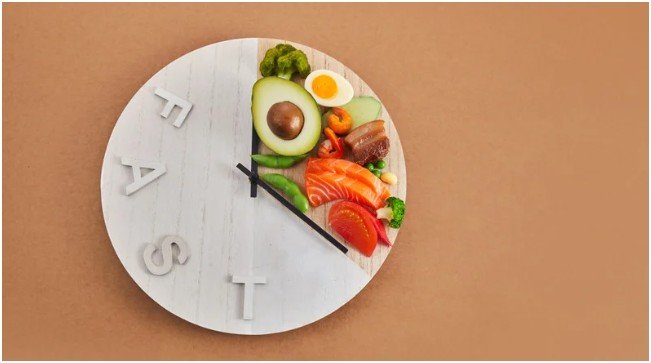
When you’re new to intermittent fasting, the idea of skipping breakfast may feel like a huge leap. But here’s the thing: I found that it wasn’t just about food—it’s about resetting your relationship with eating. The 16:8 method (fasting for 16 hours and eating within an 8-hour window) quickly became my go-to. It wasn’t some quick-fix diet; it was a lifestyle change.
If you’ve heard about intermittent fasting and wondered if it’s right for you, know that it’s beginner-friendly, especially if you start small. By the end of this post, you’ll know exactly how to set up your schedule, what to eat, and how to make it work for you.
How Do You Set Up an Intermittent Fasting Schedule for Beginners?

When I started, I felt like I needed a foolproof plan. After all, the internet is full of varying opinions about how to do this correctly, and I wasn’t sure where to begin. But here’s how I set up my intermittent fasting schedule for beginners.
I began with the 12:12 method, which is essentially a beginner’s sweet spot. It’s simple: 12 hours of fasting, and you can eat within the other 12 hours. For me, it meant finishing dinner by 7 p.m. and not eating again until 7 a.m. the next morning. It was manageable. And guess what? I was already sleeping through most of the fast.
After a few days of getting used to it, I worked my way up to the 14:10 method—fasting for 14 hours and eating within a 10-hour window. I chose 9 a.m. to 7 p.m. for my eating window because it worked with my daily routine. But you can choose whatever window fits your lifestyle.
By day 10, I felt confident enough to try the 16:8 method. I aimed to fast from 12 p.m. to 8 p.m., which is the standard window many intermittent fasters swear by.
How Do You Actually Eat During Your Intermittent Fasting Window?

When you’re fasting, the focus is often on what you don’t eat. But honestly, the more important question is: What do you eat during your eating window? I quickly learned that focusing on high-protein, nutrient-dense meals made a huge difference in how I felt.
Here’s the plan that worked for me, and I believe it’ll work for you too:
- Breakfast (or First Meal): I started eating at 12 p.m., and my first meal was always packed with protein. I love eggs, so a veggie-filled omelet with a side of avocado was a common choice. Protein is key—it helps curb hunger and keeps you feeling satisfied for longer.
- Snack Time: Around 3:30 p.m., I’d go for a nutrient-dense snack. Think Greek yogurt with berries, a handful of almonds, or even a protein bar. It’s enough to keep me fueled without overindulging.
- Dinner (or Last Meal): By 7 p.m., I’d eat my final meal of the day. A balanced meal like salmon with roasted veggies or a turkey taco bowl is great. Keep it colorful—add lots of veggies to fill you up without unnecessary calories.
How Can Beginners Overcome the Challenges of Intermittent Fasting?
So, you’re probably wondering—how did I stick with this? Let’s be real—there were moments where I wanted to eat at 10 a.m. (especially when I smelled food around me). But here’s what worked for me:
- Hydration: Drink so much water. Seriously, it’s not just about suppressing hunger. Staying hydrated helped me stay focused and energized during fasting hours.
- Coffee and Tea Are Your Friends: I love my coffee, but I also enjoyed herbal teas during the fasting window. They’re a great way to keep you busy and hydrated without breaking your fast.
- Ease In: I didn’t start with 16 hours. I gave myself time to adjust, starting with the 12:12 method and working my way up to 16:8. If you start with a smaller window, you can gradually increase it as your body gets used to fasting.
How to Start Your Own Intermittent Fasting Schedule for Beginners: Step-by-Step
Here’s a simple, step-by-step guide to get you started with your intermittent fasting journey:
Step 1: Choose Your Window
Start with a 12-hour fasting window, such as 7 a.m. to 7 p.m. Once that feels comfortable, move to 14 hours, then 16. Your eating window should be based on what suits your lifestyle.
Step 2: Focus on Nutrient-Dense Meals
When you do eat, prioritize lean proteins, healthy fats, and fiber-rich vegetables. This helps you stay fuller longer and supports your energy levels.
Step 3: Stay Hydrated
Drink at least 2 liters of water a day, especially during fasting hours. If you feel hungry, try drinking water or a cup of herbal tea. This will help curb cravings and keep you full.
Step 4: Be Flexible
It’s okay to adjust your eating window as needed. Don’t be hard on yourself if you need to tweak the times to fit your schedule.
Step 5: Listen to Your Body
If you feel lightheaded or too hungry during your fast, eat a small snack. Your body will let you know what works best.
FAQ: Your Common Questions About Intermittent Fasting for Beginners
Q1: Can I drink anything during my fasting period?
Yes! You can drink water, black coffee, or herbal tea. These won’t break your fast and will help curb your hunger.
Q2: How long will it take to see results?
It varies, but with consistency, you might start noticing results within a few weeks. Personally, I started feeling more energetic after about 10 days.
Q3: Can I exercise while fasting?
Yes, you can! I continued my regular workouts while fasting. Just make sure to listen to your body. Light to moderate exercise is fine during fasting, but avoid intense workouts if you feel weak or dizzy.
Q4: What should I do if I feel really hungry during my fasting window?
I get it! Sometimes hunger hits hard. Try drinking water, tea, or coffee to curb it. If it’s unbearable, have a small snack like a handful of nuts. But keep it light!
Wrapping Up: Make It Your Own Journey
Intermittent fasting isn’t a one-size-fits-all solution, but it’s a flexible method that can work wonders for many people. The key is finding a fasting schedule that fits your lifestyle and gradually building a habit. Start slow, listen to your body, and enjoy the process.
My biggest piece of advice? Don’t rush. This isn’t a race. It’s about creating a sustainable routine that enhances your lifestyle. Start with small changes, be kind to yourself, and keep going.
Key Takeaways:
- Start Slow: Begin with 12:12, then gradually extend your fasting window.
- Stay Hydrated: Drink plenty of water and opt for black coffee or herbal tea during fasting.
- Focus on Balanced Meals: Protein-rich meals with fiber and healthy fats will keep you full.
- Be Flexible: Adjust your eating window based on your lifestyle and listen to your body.