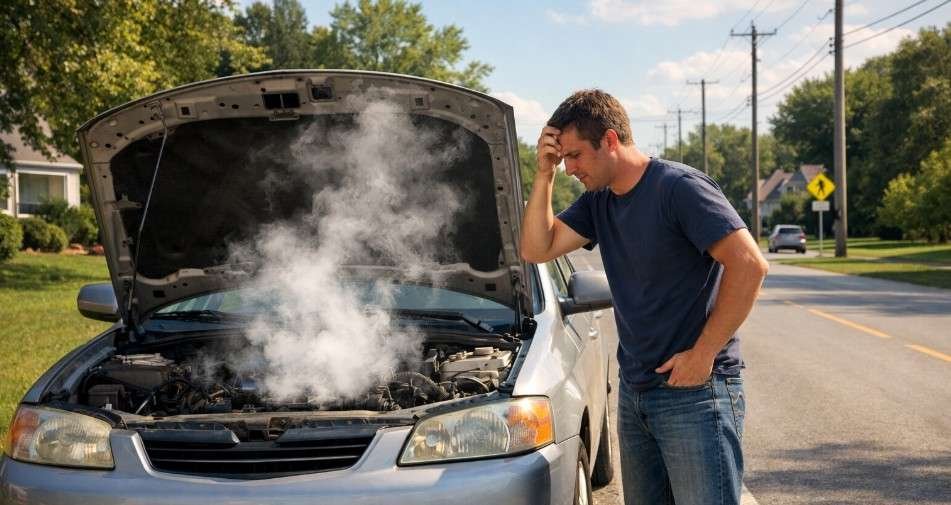

I still remember the first time I ignored the early signs of transmission problems in my car. The engine revved loudly, but the vehicle barely moved. I told myself it was probably bad gas or cold weather. A week later, I was stuck in a parking lot with a car that refused to shift. That expensive lesson taught me one thing.
Your vehicle gives you warnings before it completely fails. If you catch those signals early, you can avoid a breakdown and protect your wallet. Let’s walk through the real signs of transmission problems in a clear, practical way so you know exactly what to look for.
Common Performance Signs of Transmission Problems
Transmission problems can range from simple fluid issues to major mechanical failures. Identifying these early through common performance symptoms can prevent total breakdown and long term damage.
Slipping Gears and Signs of Transmission Problems
If your engine revs higher than usual but the vehicle does not accelerate properly, you may be experiencing gear slipping. It can also feel like the car suddenly pops out of gear while driving. This happens when internal components cannot maintain proper engagement. Slipping reduces power delivery and increases wear quickly.
Ignoring slipping gears is risky because heat builds up inside the transmission. That extra heat can damage clutches, bands, and seals, turning a minor issue into a costly rebuild.
Delayed Engagement and Rough Shifting
Delayed engagement means you shift from Park to Drive or Reverse, but the car hesitates before moving. That noticeable lag is one of the clearest signs of transmission problems. It often points to fluid pressure issues or worn internal parts. Rough or erratic shifting feels like sudden jerks or hard shifts during gear changes.
Instead of smooth transitions, you feel jolts that interrupt your drive. This symptom is common in both automatic and CVT systems when fluid is low or components are wearing out.
Lack of Response When Shifting
If you move the shifter but the vehicle refuses to go into gear, that is a serious warning sign. The engine may run normally, yet the car does not move forward or backward. This can indicate severe internal damage, linkage problems, or electronic failures.
When this happens, continuing to test it can cause additional harm. Immediate inspection is usually the safest option.
Visual and Sensory Signs of Transmission Problems
Your senses can detect issues before major mechanical failure occurs. Paying attention to what you see and smell helps you respond quickly.
Fluid Leaks and Warning Signs
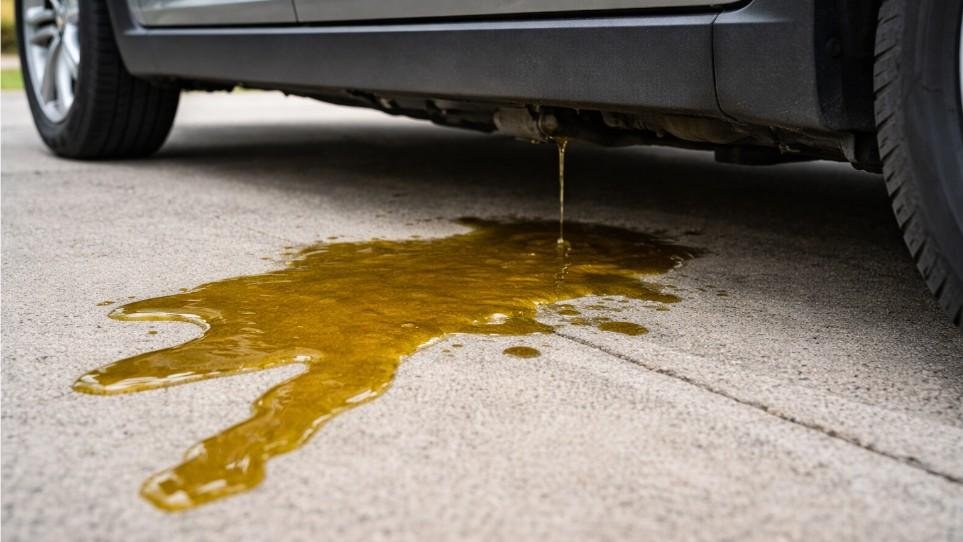
Transmission fluid is typically bright red or dark reddish brown. If you notice puddles under your parked car, especially with a slightly sweet smell, that could signal a leak. Fluid is essential for cooling and lubrication, so losing it reduces internal protection.
Low fluid levels can quickly lead to slipping and overheating. Checking for stains on your driveway or garage floor is one of the simplest preventive habits you can develop.
Burning Smell and Overheating
A sharp, acrid odor from the engine bay often means transmission fluid is overheating. Overheated fluid loses its ability to lubricate properly. Without proper lubrication, metal components grind against each other.
If you smell something burning while driving, especially during heavy traffic or towing, do not ignore it. Heat is one of the main enemies of transmission longevity.
Dashboard Warning Lights
Modern vehicles rely on onboard sensors to monitor performance. An illuminated Check Engine light can indicate transmission related trouble codes. Some vehicles display a flashing D or O D light to signal shifting problems.
A quick diagnostic scan can reveal whether the warning is connected to transmission performance. Early scanning prevents guesswork and helps you act confidently.
Unusual Noises That Signal Signs of Transmission Problems
Strange sounds often appear before total failure. Listening closely can help you catch issues early.

Automatic Transmission Noises
Automatic systems may produce humming, buzzing, or whining sounds. These noises often increase with speed or during acceleration. They typically suggest fluid pressure problems or internal wear. While subtle at first, these sounds tend to grow louder over time. Addressing them early prevents further internal damage.
Manual Transmission Grinding
Manual transmissions often produce harsh grinding sounds during gear changes when the clutch is worn or not fully disengaging. Grinding usually indicates synchronizer wear or clutch problems. Persistent grinding can damage gears permanently, which significantly raises repair costs.
Neutral Clunking or Bumping
If you hear clunking or bumping while idling in neutral, worn bearings or gears may be the cause. These sounds suggest internal parts are no longer aligned properly. Although the car may still drive, this symptom should never be dismissed as normal aging.
Physical Sensations as Signs of Transmission Problems
Your body can feel transmission issues before your eyes see them. Physical sensations often provide early clues.
Shaking or Shuddering
A vibration or shudder during gear shifts or at certain speeds may indicate internal friction or torque converter issues. This feeling can resemble driving over rough pavement even when the road is smooth.
Shuddering usually worsens over time, especially if fluid is contaminated or low.
Dragging Clutch in Manual Vehicles
In manual vehicles, a dragging clutch fails to fully disengage from the flywheel. When this happens, gears clash or grind during shifts. A dragging clutch makes smooth driving difficult and accelerates wear. Timely clutch inspection can prevent further transmission damage.
How to Respond to Signs of Transmission Problems
- If you notice signs of transmission problems, act quickly but calmly. Start by checking your owner’s manual to see whether your vehicle allows you to check transmission fluid. If accessible, inspect the fluid level and color with the engine warmed up and the car parked on level ground. Dark or burnt smelling fluid signals the need for service.
- Next, pay attention to patterns. Does the issue occur only when the car is cold or only at highway speeds. Tracking when symptoms appear helps technicians diagnose the root cause more accurately.
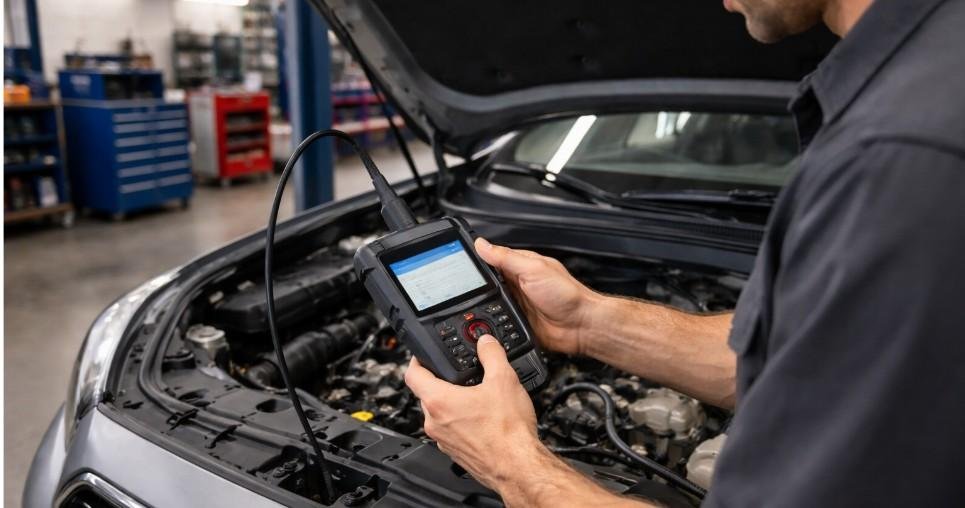
- If slipping, loud grinding, or lack of gear engagement occurs, limit driving and schedule professional inspection. For professional diagnosis, you can use the AAMCO Diagnostic Tool or visit a local AAA Approved Repair Shop to have your codes scanned. Early intervention prevents further damage and reduces repair costs.
Frequently Asked Questions
1. What are the earliest signs of transmission problems?
Early signs of transmission problems include delayed engagement, minor slipping, and slightly rough shifting. You may also notice subtle whining noises or small fluid leaks. These early indicators often appear before complete failure. Addressing them quickly allows for simpler repairs such as fluid replacement rather than major rebuilds.
2. Can I keep driving if I notice signs of transmission problems?
If symptoms are mild, you may be able to drive short distances to a repair facility. However, continuing normal driving can worsen internal damage. Slipping and overheating accelerate wear on gears and clutches. Limiting use and scheduling inspection as soon as possible protects your vehicle and your budget.
3. How serious is a burning smell from the transmission?
A burning smell usually indicates overheated fluid. Overheating reduces lubrication and increases friction inside the transmission. Continued driving under these conditions can cause severe internal damage. If you detect a persistent burning odor, reduce driving immediately and seek professional service.
4. Does a Check Engine light always mean transmission trouble?
Not always. The Check Engine light can signal many issues. However, it frequently detects transmission related performance problems. A diagnostic scan identifies specific trouble codes and determines whether the transmission is involved. Ignoring the warning light increases the risk of larger repairs later.
Final Thoughts on Signs of Transmission Problems
The biggest mistake I ever made was ignoring early signs of transmission problems because the car still moved. Small hesitations and faint smells turned into a repair bill I did not expect. Your vehicle communicates through performance changes, sounds, smells, and warning lights.
Listening early can save you time, money, and stress. When something feels off, trust that instinct. A quick check today prevents a breakdown tomorrow.