

It was just an ordinary day until the screech of tires and the sudden jolt of my car knocked me off balance. A car accident. There was no visible blood, no immediate signs of injuries, but I knew this was just the start of a long process. What to do after a car accident legally is crucial, as the actions you take can have a huge impact on your insurance claim, potential lawsuits, and your rights moving forward.
Having been through this, I can tell you—the sooner you act and the more thoroughly you document everything, the better. Let’s walk through the exact steps that will help you protect yourself legally when you’re in this kind of situation.
Immediate Legal Duties at the Scene
Try to not panic in the situation and make sure of the following:
Stop and Remain at the Scene
One of the first things you need to know after a car accident is that you must stop immediately. Leaving the scene, even after a minor fender bender, can lead to hit-and-run charges. So, pull over to a safe spot and stay put. This may seem obvious, but some drivers panic or try to drive away to avoid confrontation. Don’t do it! It’s not worth the legal trouble.
Ensure Safety and Aid
After stopping, it’s time to check for injuries. If anyone is hurt, your first priority should be to call for medical help. This includes anyone involved in the accident—whether it’s the other driver, passengers, or pedestrians.
It’s your legal duty to assist the injured, to the best of your ability. Even if the accident seems minor, it’s always a good idea to make sure everyone’s okay and get the proper help.
Notify Law Enforcement

Once the scene is secure, you need to call the police. In many states, you’re legally required to report accidents where there are injuries, fatalities, or significant property damage. The police will create an official accident report, which is a critical document for any future claims or legal proceedings.
Exchange Required Information
As soon as the police arrive and the immediate safety concerns are taken care of, you’ll need to exchange information with the other driver(s). This includes:
- Full name and contact information
- Driver’s license and vehicle registration numbers
- Insurance company name and policy number
- Vehicle Identification Number (VIN)
This information is essential for future insurance claims or legal actions, so don’t skip this step.
Protecting Your Legal Rights

Do Not Admit Fault
When you’re in an accident, it’s easy to feel guilty or want to apologize, but never admit fault at the scene. Even saying something like “I’m sorry” could be used against you in court or during the claims process. Keep it simple and just stick to the facts. Let the police and insurance adjusters sort out who is to blame.
Document Everything
This is where you’ll want to make use of your phone’s camera. Take pictures of:
- The accident scene, including all vehicles involved, damages, and any skid marks.
- Road signs or weather conditions that could provide context for the crash.
- License plates of all vehicles involved.
- Witnesses: Gather their names and contact details.
The more documentation you have, the better. It could be the difference between getting a fair settlement or a low-ball offer from the insurance company.
Seek Medical Attention Immediately
Even if you don’t feel injured at first, adrenaline can mask pain. Head injury like whiplash or concussions might not show up right away. Seek medical attention immediately after the accident—even if it’s just a check-up. Medical records can create a clear link between your injuries and the accident, which is important for your legal case and insurance claim.
Mandatory Reporting & Deadlines
These are important documentations that need to be done:
Insurance Notification
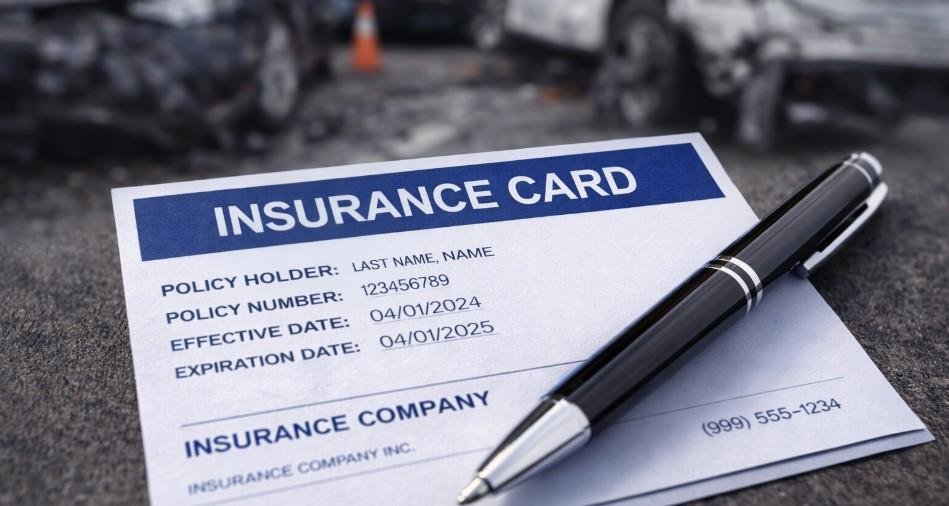
Most insurance policies require you to notify the company immediately after an accident. When you call, stick to the basic facts: where the accident happened, who was involved, and what occurred. Don’t give a recorded statement to the other driver’s insurance without consulting a lawyer first—what you say could be used against you.
DMV Reporting
In some states, such as California, you’re required to report the accident to the Department of Motor Vehicles (DMV) within 10 days if there’s any injury or damage that exceeds a specific amount (usually around $750–$1,000). For example, in California, you’ll file Form SR-1. Make sure you’re aware of your state’s specific requirements.
Statute of Limitations
Each state has a statute of limitations for personal injury or property damage claims. For example, in California, you typically have 2 years to file for personal injury and 3 years for property damage. Don’t wait too long to take action, as missing deadlines can hurt your case.
When to Consult an Attorney
It’s a good idea to consult with an attorney in several situations, including:

- Serious injuries that could require long-term treatment.
- Disputed fault: If the other driver or insurance company blames you.
- Uninsured or underinsured drivers: If the other party doesn’t have enough insurance to cover the damages.
- Low settlement offers from your insurance company.
A personal injury lawyer can help protect your interests and negotiate a fair settlement. Don’t feel pressured to accept the first offer that comes your way.
How to Handle a Car Accident Legally: A Step-by-Step Guide
1. Stop and Stay at the Scene:
Don’t leave the accident site. If anyone is hurt, call emergency services right away.
2. Ensure Safety:
Move to a safe location if possible, and make sure everyone is okay.
3. Notify the Police:
If necessary, call the police and wait for them to arrive to file an accident report.
4. Exchange Information:
Swap details with the other driver(s) involved—name, contact, license, insurance, and VIN.
5. Document the Scene:
Take photos of the damage, road conditions, and any injuries. Record witness details.
6. Notify Your Insurance Company:
File a claim and avoid giving a recorded statement to the other driver’s insurer.
7. Consult a Lawyer if Needed:
If the accident involves significant damages or injury, or if fault is in dispute, consult an attorney to protect your rights.
Frequently Asked Questions
1. How long do I have to file an accident report?
In most states, you must file an accident report with the DMV within 10 days if there are injuries or property damage above a certain threshold, typically $750–$1,000. Always check with your local DMV for specific deadlines.
2. Should I call my insurance company before the police?
It’s essential to notify the police first, especially if there are injuries or significant damage. Once the immediate situation is under control, contact your insurance company to report the accident. Make sure to document everything before talking to insurers.
3. Can I handle an accident without an attorney?
While many accidents can be settled without legal help, if there’s a dispute over fault or significant damages, it’s best to consult an attorney. A lawyer can help you navigate complex insurance issues and ensure you receive a fair settlement.
4. How can I avoid being blamed for an accident I didn’t cause?
Don’t admit fault at the scene, and document everything you can—photos, witness statements, and police reports. If fault is unclear, an attorney can help protect your rights and ensure the situation is resolved fairly.
Stay Calm, Act Fast, Protect Yourself Legally
So, now you know what to do after a car accident legally—stop, document, and protect your rights. The actions you take at the scene and immediately after can significantly impact the outcome of your case, whether it’s an insurance claim or a potential lawsuit. The key is staying calm, acting fast, and keeping everything documented.
And remember, when in doubt, seek legal advice. The quicker you act, the better your chances of getting fair compensation and protecting your rights.